Jump to content
Create New...

Drew Dowdell

Editor-in-Chief
  • Posts

    56,026
  • Joined

  • Last visited

  • Days Won

    554

Everything posted by Drew Dowdell

  1. Ford was early to the electric work van market with the E-Transit and quickly become the best selling electric van on the market, not just in the U.S., but Canada and Europe as well. According to Ford, E-Transit customers have saved over 3 million gallons of gasoline since the E-Transit went on the market in 2022. For 2024, Ford has brought several welcome changes. The most impactful is a range increase on the low-roof model from 126 miles per charge to 159 miles per charge. This range increase comes from a new 89 kWh battery that replaces the 68 kWh version from last year. The additional power unlocks new electric solutions for the vehicle like refrigerated delivery. This change represents a 26 percent increase for low-roof models and up to a 32 percent increase for high-roof versions. Electric motor performance remains the same at 266 horsepower and 317 lb.-ft of torque. The entire E-Transit lineup has Ford Pro Power available, giving 2.4 kW of power to operate a laptop, power tools, or other equipment. In addition to the larger range, the E-Transit can now charge faster with a peak rate of 176 kW. When connected to a DC-Fast charger with greater than a 180 kW capacity, the E-Transit can take on an estimated 67 miles of range in just 15 minutes. E-Transit also now has access to the Tesla SuperCharger network when paired with a complimentary NACS to CCS charging adapter from Ford. All previous E-Transit customers from model years 2022 and newer are eligible to receive one free NACS adapter per vin. Drivers can charge seamlessly at Tesla SuperCharger stations with plug-and-charge. Charging sessions are billed directly through Ford's existing Ford Pro Public Charging network. Only 250 kW Tesla SuperCharger stations can be used by Ford drivers, and their locations will show in the Ford BlueOval Charging app, but with 15,000+ eligible SuperCharger locations in addition to the 13,000 DC-Fast charging plugs already available, E-Transit drivers will have no problem locating a place to charge up. To request a complimentary NACS charger, existing E-Transit owners can use the BlueOval app or visit https://ford.com/FastChargingAdapter The E-Transit is available in van, cutaway, and chassis cab models, with hundreds of upfitters available for customization. The enhanced range 2024 E-Transit will open for orders in a few months, with the first deliveries expected later this year. Similar to Ford cutting prices on the Ford Mustang Mach-E, pricing of the E-Transit starts at $51,095, a $400 reduction over the 2023 model, with possible tax credits of up to $7,500 per vehicle. Related: Ford Offering Free Tesla Charger Adapter to Ford Lightning and Mach-E Owners US Postal Service Buys 9,000+ Ford E-Transits Ford EV Access to Tesla Supercharging Opens Ford Slashes Ford Mach-E Price
  2. In February of 2021, Jaguar announced that it would become an all-electric brand by 2025, a feat that, if achieved, would make it the first legacy brand to make that transition. Later this year, the last three gas-powered Jaguar models (E-Pace, F-Pace, and XF Sedan) will end production well before the electric replacements are ready. Jaguar is building up some inventory to carry it through the production crunch, but it is only able to do that because the brand's sales have fallen from 179,000 units in 2017 to 43,000 units globally. The first of three new EVs arrives in mid-2025 with a followup model later that year and the final of the trio in 2026. All three will be based on Jaguar's new JEA (Jaguar Electric Architecture) platform, unrelated to the current Jaguar I-Pace. Starting with a high-dollar grand touring sedan, Jaguar intends to take aim at competitors like the Porsche Taycan and Audi e-tron GT. And while Jaguar does claim the new four-door GT will be the most powerful Jaguar ever (that crown is currently held by the top F-type with 575 horsepower), they are aiming for a more generous range than the direct competition with 430 miles on the WLTP test or roughly 400 miles when the EPA gets their hands on it. Unfortunately, the full-size Jaguar XJ has been killed again before it got resurrected. When the gasoline XJ went out of production, Jaguar said the XJ would return as an EV, but that plan was scuttled back in 2021 and no XJ is forthcoming. By the end of the year, even the I-Pace crossover will end production, potentially leaving Jaguar with zero vehicles in production if there are delays with the four-door GT. The I-Pace never made a mark on the market with a $73,000+ starting price and a 246 mile range. Related: Jaguar I-Pace Gets More Range From Software Update Rumorpile: F-Type Could Offer An Electric Powertrain View full article
  3. In February of 2021, Jaguar announced that it would become an all-electric brand by 2025, a feat that, if achieved, would make it the first legacy brand to make that transition. Later this year, the last three gas-powered Jaguar models (E-Pace, F-Pace, and XF Sedan) will end production well before the electric replacements are ready. Jaguar is building up some inventory to carry it through the production crunch, but it is only able to do that because the brand's sales have fallen from 179,000 units in 2017 to 43,000 units globally. The first of three new EVs arrives in mid-2025 with a followup model later that year and the final of the trio in 2026. All three will be based on Jaguar's new JEA (Jaguar Electric Architecture) platform, unrelated to the current Jaguar I-Pace. Starting with a high-dollar grand touring sedan, Jaguar intends to take aim at competitors like the Porsche Taycan and Audi e-tron GT. And while Jaguar does claim the new four-door GT will be the most powerful Jaguar ever (that crown is currently held by the top F-type with 575 horsepower), they are aiming for a more generous range than the direct competition with 430 miles on the WLTP test or roughly 400 miles when the EPA gets their hands on it. Unfortunately, the full-size Jaguar XJ has been killed again before it got resurrected. When the gasoline XJ went out of production, Jaguar said the XJ would return as an EV, but that plan was scuttled back in 2021 and no XJ is forthcoming. By the end of the year, even the I-Pace crossover will end production, potentially leaving Jaguar with zero vehicles in production if there are delays with the four-door GT. The I-Pace never made a mark on the market with a $73,000+ starting price and a 246 mile range. Related: Jaguar I-Pace Gets More Range From Software Update Rumorpile: F-Type Could Offer An Electric Powertrain
  4. During the 2021 Los Angeles Auto Show, Hyundai displayed their SEVEN concept, a highly futuristic three-row EV roughly the size of the company's Palisade. It was assumed at the time that when this vehicle came to market in production form, it would wear the Ioniq 7 nameplate. A recent report to Automotive News (subscription required) has said that the name will now change to Ioniq 9 to better align with Kia's EV9 SUV and also give space below for additional Ioniq models to come. Hyundai is busy making Ioniq into its own brand, with several vehicles planned in the coming years, including some Hyundai Ioniq trucks. The Ioniq 9 is expected to break cover in June this year and Hyundai hopes to mirror the out of the barn success of the Kia EV9 that it shares a platform with. Like the Kia EV9 range, we can expect the Ioniq 9 to have a similar 230 mile base range, up to a 304 mile long-range RWD model, and all-wheel drive models landing with about 270 miles - 280 miles of range. Related: All-Electric IONIQ-6 Streamliner Sedan is Unveiled 2022 Hyundai Ioniq 5 Kicks Off A New Sub-Brand Hyundai's Ioniq 5 N Is Only 2.6 Seconds Slower Than the BMW M2 CS At The Nürburgring View full article
  5. During the 2021 Los Angeles Auto Show, Hyundai displayed their SEVEN concept, a highly futuristic three-row EV roughly the size of the company's Palisade. It was assumed at the time that when this vehicle came to market in production form, it would wear the Ioniq 7 nameplate. A recent report to Automotive News (subscription required) has said that the name will now change to Ioniq 9 to better align with Kia's EV9 SUV and also give space below for additional Ioniq models to come. Hyundai is busy making Ioniq into its own brand, with several vehicles planned in the coming years, including some Hyundai Ioniq trucks. The Ioniq 9 is expected to break cover in June this year and Hyundai hopes to mirror the out of the barn success of the Kia EV9 that it shares a platform with. Like the Kia EV9 range, we can expect the Ioniq 9 to have a similar 230 mile base range, up to a 304 mile long-range RWD model, and all-wheel drive models landing with about 270 miles - 280 miles of range. Related: All-Electric IONIQ-6 Streamliner Sedan is Unveiled 2022 Hyundai Ioniq 5 Kicks Off A New Sub-Brand Hyundai's Ioniq 5 N Is Only 2.6 Seconds Slower Than the BMW M2 CS At The Nürburgring
  6. Kinda weird seeing William reviewing back then what would be my future truck.
  7. I think you're both right and wrong. Rivian will make it. I think Lucid will make it too as a pride project for the Saudis. Fisker might have just gotten a lifeline from Nissan, and I hope it works because the Ocean, in concept, is excellent. I think this will be the last of the current wave of EV manufacturers that make it. Then, there will be a long pause of around ten years while the market settles. Then we'll start to see other manufacturers who can pluck stuff from the big manufacturer's parts bins and start making specialty vehicles like roadsters and other niche stuff.
  8. Fisker issued a stark warning yesterday that it might not be able to continue as a going concern after announcing $463.6 million in losses. Though building more than 10,000 of Fisker's initial model, the Ocean, the company was only able to deliver about 4,700 units in 2023. Fisker initially pursued a direct-to-consumer sales model, but just last month announced it would add dealerships alongside the existing distribution with 13 dealerships across the U.S. and Europe signed up so far. Fisker said its business plan was highly dependent on the success of the dealership model. Fisker aims to deliver 20,000 to 24,000 units in 2024. CEO Henrik Fisker said, "2023 was a challenging year for Fisker, including delays with suppliers and other issues that prevented us from delivering the Ocean SUV as quickly as we had expected". Fisker additionally said it would be cutting 15% of its workforce and pursuing a partnership with another automaker for investment and joint product development. This afternoon, a source close to the company revealed that Nissan is the sole manufacturer in "advanced talks" with Fisker. While details of the deal are preliminary and not finalized, Nissan would invest more than $400 million into Fisker's truck platform, which the two companies would share. Nissan would build its own version of the EV truck at one of its U.S. Assembly plants. Nissan was one of the earliest entries in the EV space with its Nissan Leaf hatchback debuting in 2010 but had since failed to gain ground against upstarts like Tesla and industry giants like Hyundai. The deal could close by the end of March. Related: Fisker Ocean Extreme Receives 360-mile EPA Range, Starts Deliveries This Month Fisker Ocean Can Gain 200 Miles Range in 30 Minutes Fisker Joins Others to Adopt Tesla's NACS Charging View full article
  9. Fisker issued a stark warning yesterday that it might not be able to continue as a going concern after announcing $463.6 million in losses. Though building more than 10,000 of Fisker's initial model, the Ocean, the company was only able to deliver about 4,700 units in 2023. Fisker initially pursued a direct-to-consumer sales model, but just last month announced it would add dealerships alongside the existing distribution with 13 dealerships across the U.S. and Europe signed up so far. Fisker said its business plan was highly dependent on the success of the dealership model. Fisker aims to deliver 20,000 to 24,000 units in 2024. CEO Henrik Fisker said, "2023 was a challenging year for Fisker, including delays with suppliers and other issues that prevented us from delivering the Ocean SUV as quickly as we had expected". Fisker additionally said it would be cutting 15% of its workforce and pursuing a partnership with another automaker for investment and joint product development. This afternoon, a source close to the company revealed that Nissan is the sole manufacturer in "advanced talks" with Fisker. While details of the deal are preliminary and not finalized, Nissan would invest more than $400 million into Fisker's truck platform, which the two companies would share. Nissan would build its own version of the EV truck at one of its U.S. Assembly plants. Nissan was one of the earliest entries in the EV space with its Nissan Leaf hatchback debuting in 2010 but had since failed to gain ground against upstarts like Tesla and industry giants like Hyundai. The deal could close by the end of March. Related: Fisker Ocean Extreme Receives 360-mile EPA Range, Starts Deliveries This Month Fisker Ocean Can Gain 200 Miles Range in 30 Minutes Fisker Joins Others to Adopt Tesla's NACS Charging
  10. The did not give a reason. The color could simply be an indicator of the charging speed.
  11. That’s a side effect, but no. It’s harder to do both engine and vehicle platform at the same time than it is to have them alternate in cadence. but that’s kinda true of all major projects with large separate components.
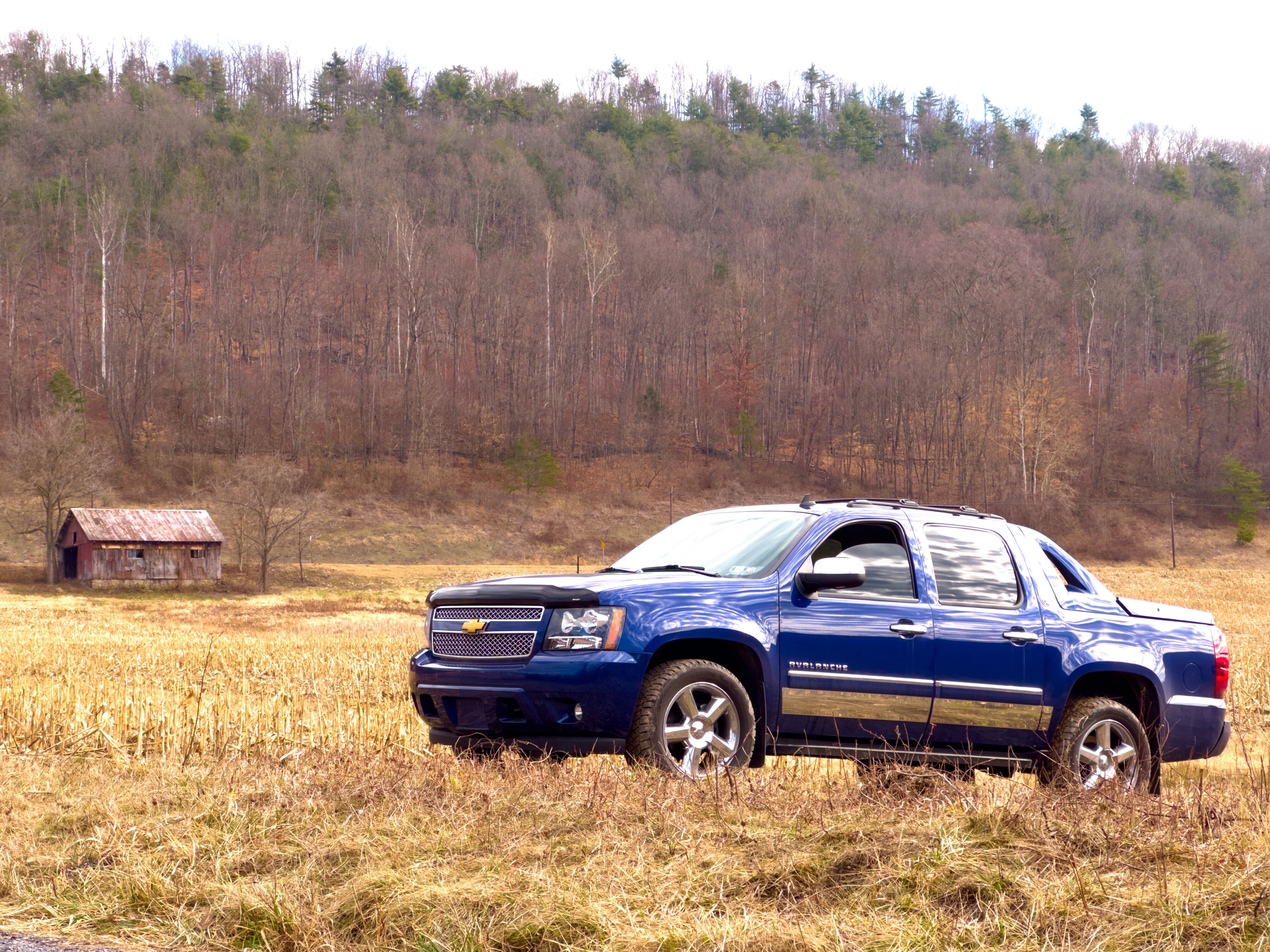
  12. Ultium is a sound concept but GM's execution has been terrible. I would equate it to Alfa's rollout of the Giorgio platform that went horribly, but if you think about it, it has parallels. Have you not noticed that no manufacturer, not GM, not Toyota, not VW, ever rolls out a truly all-new car? When a new platform comes out, they usually carry over powertrains or pluck a newer powertrain that has been running in some other vehicle for a few years. Then, once they're 2 years in, there is an engine'/transmission update. You used to be able to set your watch to the "All new Camry with same engine" / 2 years later / "Camry gets all new engine" / 3 years later / "All new Camry with the same engine" cadence. The reason for that is that it is incredibly difficult to set up a whole vehicle platform AND engine / transmission platform all at the same time. The latest "all-new" CR-V came out in 2022, but the engine platform dates back to 2014 when it debuted in a mid-cycle refresh of an overseas market Honda Fit. And that is why the Alfa Romeo Giorgio platform had so many issues at the beginning. The Giorgio, which debuted under the Giulia and later the Stelvio, was the first truly "all-new" vehicle we've had in decades. It was a new platform, on a new production line, with a new engine. The only off-the-shelf component in that car was the ZF 8-speed automatic. These days, Giorgio seems to be doing just fine as the Jeep Grand Cherokee and Grand Cherokee L Now take that task and multiply it by 10. Not only did GM build a new platform, they built a new powertrain, and a new battery pack, and then they had to build the plants to build that battery pack, which they'd never done before. They called in LG for help, but it is still a massive undertaking. The early Teslas were utter rubbish (some would argue they aren't much better today). Worse than anything GM is experiencing at the moment. GM, for all its faults, at least had the wisdom to stop production so the issues could be addressed instead of pushing out sub-par beta-test products like Tesla did. Keep in mind that the earliest Tesla Model-Ses are now 12 years old, one year OLDER than my Avalanche. I've been in a battery presentation for Ultium, and I do believe that GM is on the right track. Their modular design makes it easy to future-proof the design for new chemistries as they become available. They'll get there, they're further ahead on the curve than Tesla was 12 years ago simply because, unlike Tesla, they can make a door that shuts properly.
  13. Owners of Ford Mustang Mach-E and F-150 Lightning vehicles have nearly doubled their charging location options overnight with 15,000+ new chargers added to the Ford BlueOval Charge Network. Last May, Ford announced they signed an agreement with Tesla for Ford EVs to gain access to Tesla Supercharger locations. Currently, the access is limited to just the two retail EVs that Ford sells and not the commercially oriented Ford e-Transit van. A Ford representative indicated that a future announcement for e-Transit drivers could be coming. In addition to access to the Tesla network, Ford will begin transitioning its EVs to use the new Tesla-designed NACS plug that is backward compatible with the existing Tesla design. Ford vehicles already built and sold with the CCS plug are eligible for a complimentary NACS to CCS adapter from Ford. Owners may register their VIN to receive their adapter in the Ford Pass app or at ford.com/FastChargingAdapter. Owners are allowed one free adapter per VIN. Charging a Mustang Mach-E or F-150 Lightning takes just two steps. Plug the adapter into the vehicle and plug the Supercharger cable into the plug in a simple Plug-to-Charge process. Drivers are charged for their session directly through the BlueOval network with whatever payment method is already set up. While 15,000+ Tesla Superchargers are available for Ford drivers' use, not every Tesla charger is compatible. Tesla Superchargers that have peak rates of 250+ kilowatts (kW) and an all-black charge cord and handle are compatible with Ford EVs. L2 Destination chargers and 150kW stations with a silver collar on the charge plug are not compatible. View full article
×
×
  • Create New...

Important Information

We have placed cookies on your device to help make this website better. You can adjust your cookie settings, otherwise we'll assume you're okay to continue.

Hey there, we noticed you're using an ad-blocker. We're a small site that is supported by ads or subscriptions. We rely on these to pay for server costs and vehicle reviews.  Please consider whitelisting us in your ad-blocker, or if you really like what you see, you can pick up one of our subscriptions for just $1.75 a month or $15 a year. It may not seem like a lot, but it goes a long way to help support real, honest content, that isn't generated by an AI bot.

See you out there.

Drew
Editor-in-Chief

Write what you are looking for and press enter or click the search icon to begin your search