
Search the Community
Showing results for tags 'import tax'.
Found 2 results
-
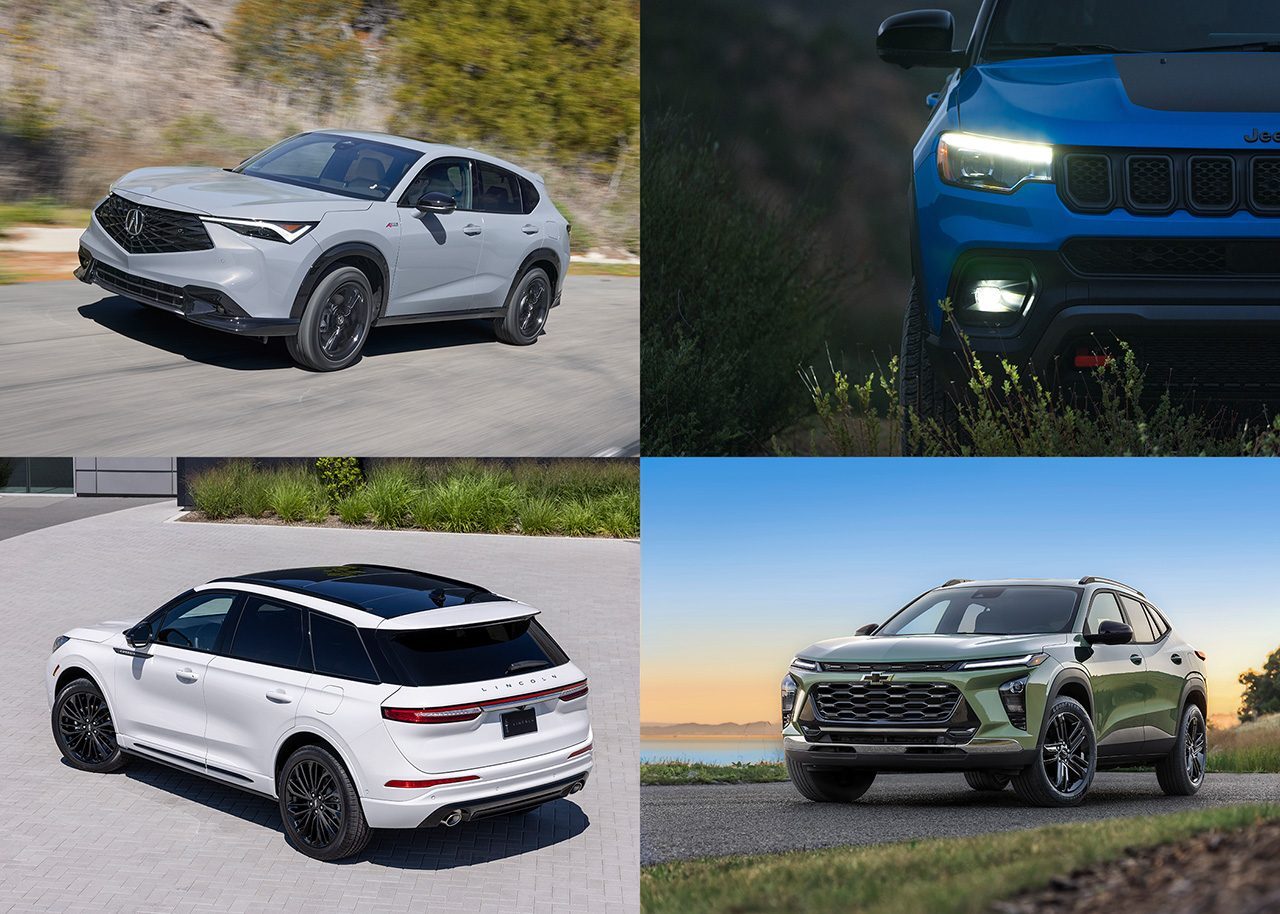
Tariff Tuesday is the day where we cover how President Trump's tariffs, if fully enacted, will impact the auto industry, increase costs, and limit consumer choice. We started this series on April 15, Tax Day for those in the United States, because Trump's tariffs amount to one of the largest single increases in taxes on the American People. The tariffs which, if fully implemented, will raise $1.4 trillion in revenue, an increase per household of $1,900 to $7,600 per year. Last week we discussed Buick's Tough Spot - Killing it in China, Killed in the U.S. and one of our readers brought up an excellent point: Big Trouble in Little Crossovers The little crossover segment is one of the hottest and most competitive segments in the industry. So much so that even before tariffs, a few models were already driven from the market without replacements. The Fiat 500X, Jeep Renegade, Nissan Rogue Sport, and Ford EcoSport were all models competing in this segment in the U.S. that just couldn't quite make it and were canceled after a single generation, though the Jeep Renegade lives on in other markets. The commentator above is right. With few exceptions, nearly all of the little crossovers available in the US are imported. Because there is a lot of fuzziness in the size of vehicles in this class, for this list we will generally be looking at the smallest crossovers a particular brand offers. We are also including vehicles regardless of price as the tariff impact in this size class appears to transcend price. Where Are Small Crossovers Built? Acura ADX - Mexico Alfa Romeo Tonale - Italy Audi Q3 - Hungary Audi Q4 eTron - Germany Audi has indicated they may move production of some models to the U.S., likely through partnership with parent company Volkswagen and their production facility in Tennessee. Audi has paused all imports of their vehicles to the U.S. due to the tariffs and is holding vehicles already in the U.S. at ports. BMW X2 - Germany BMW X3 - United States Buick Envista - South Korea Buick Encore GX - South Korea Buick Envision - China Cadillac XT4 - United States (model canceled) Cadillac Optiq - Mexico Chevrolet Trax - South Korea Chevrolet TrailBlazer - South Korea Chevrolet Equinox - Canada Chevrolet Equinox EV - Mexico Dodge Hornet - Italy Ford Bronco Sport - Mexico Ford Maverick - Mexico Ford Escape - United States Genesis GV60 EV - South Korea Genesis GV70 - South Korea GMC Terrain - Mexico Honda HR-V - Mexico Honda CR-V - United States Hyundai Venue - South Korea Hyundai Kona - South Korea Hyundai Ioniq 5 - United States as of 2025 model year to take advantage of EV Tax Credit eligibility from the Biden Inflation Reduction Act. Eligibility for the tax credit is still in limbo. Hyundai Tuscan - United States Infiniti QX50/QX55 - Mexico Infiniti has announced they have suspended all new orders of these models in the U.S. due to Trump's tariffs. The models remain in production for other markets. Jeep Compass - Mexico. Kia Soul - South Korea Kia Seltos - South Korea Kia Niro - South Korea Kia Sportage - United States Kia EV6 (exc. GT) - United States as of 2025 model year to take advantage of EV Tax Credit eligibility from the Biden Inflation Reduction Act. Kia EV6 GT - South Korea Range Rover Evoque - United Kingdom Discovery Sport - United Kingdom Lexus UX - Japan Lexus NX - Canada Lexus RZ - Japan Lincoln Corsair - Mexico Lincoln Nautilus - China Maserati Grecale - Italy Mazda CX-30 - Mexico Mazda CX-5 - Japan Mazda CX-50 - United States The Mazda CX-50 is produced in the United States, and until the tariffs, was exported to the Canadian market. Mazda has since shuffled production and will now supply the Canadian market from Japan. Mercedes-Benz GLA - Germany Mercedes-Benz GLB - Mexico Mercedes-Benz EQB - Hungary Mercedes-Benz GLC - Germany Mini, Mitsubishi, Porsche - Austria, Japan, and Germany respectively Nissan Kicks - Mexico Nissan Rogue - United States Polestar 2 - China Polestar 3 - United States Rivian R2 - United States (not in production yet) Rivian R3/R3X - United States (not in production yet) Subaru Crosstrek - Japan and starting in 2024 United States for select trims Subaru Forrester - Japan Tesla Model-Y - United States Toyota Corolla Cross - United States Toyota RAV-4 - United States and Canada Volkswagen Taos - Mexico Volkswagen Tiguan - Mexico Volkswagen ID.4 - United States Volvo EX30 - China Volvo EX40 - Belgium Volvo XC40 - Belgium Volvo C40 - Belgium The Impact on Consumers Of this list of 70-ish small crossovers, only eleven models plus some versions of a twelfth are assembled in the United States. For the sixteen that are assembled in Canada or Mexico, they may possibly qualify for reduced or exempted tariffs if they can prove compliance with the USMCA. However, meeting the USMCA regulations is an arduous process for a product with as many components as a vehicle. A vehicle with a significant amount of components produced outside of the USMCA zone will likely fail to qualify for a tariff exemption. For example, a vehicle assembled in Canada may lose its tariff exemption if the steel used in its construction was purchased from China or the stamping took place outside of the USMCA zone. It's a complex process for manufacturers to calculate, and some, such as Audi and Infiniti are simply opting to stop shipments for now. It's likely that EVs built in Canada or Mexico that currently qualify for the tax credit from Biden's Inflation Reduction Act will also qualify for a USMCA exemption. Some manufacturers are hit harder than others. Ford's recent smash hits, the Bronco Sport and Maverick truck are both built in Mexico and represent a significant portion of Ford's recent sales. Dodge, already struggling to move the Hornet crossover, will face significant price increases as it is not able to be exempted from tariffs via the USMCA. Toyota will gain an unusual prices advantage here with the RAV-4 and Corolla Cross being built in the United States, but can also afford to not discount prices much as demand will be higher. All of the burden of Trump's tariffs trickles down to the consumer eventually. Consumers will either pay higher taxes on imported vehicles, pay higher prices for manufacturers to comply with the USMCA, or lose choices and supply with lost model availability driving up the costs of the remaining options on the market. For one of the most competitive segments of the auto industry, this signals a time of turmoil with consumers taking the brunt of it. View full article
- 21 replies
-
- 1
-

-
- auto tariffs
- crossover
- (and 6 more)
-
 Tariff Tuesday is the day where we cover how President Trump's tariffs, if fully enacted, will impact the auto industry, increase costs, and limit consumer choice. We started this series on April 15, Tax Day for those in the United States, because Trump's tariffs amount to one of the largest single increases in taxes on the American People. The tariffs which, if fully implemented, will raise $1.4 trillion in revenue, an increase per household of $1,900 to $7,600 per year. Last week we discussed Buick's Tough Spot - Killing it in China, Killed in the U.S. and one of our readers brought up an excellent point: Big Trouble in Little Crossovers The little crossover segment is one of the hottest and most competitive segments in the industry. So much so that even before tariffs, a few models were already driven from the market without replacements. The Fiat 500X, Jeep Renegade, Nissan Rogue Sport, and Ford EcoSport were all models competing in this segment in the U.S. that just couldn't quite make it and were canceled after a single generation, though the Jeep Renegade lives on in other markets. The commentator above is right. With few exceptions, nearly all of the little crossovers available in the US are imported. Because there is a lot of fuzziness in the size of vehicles in this class, for this list we will generally be looking at the smallest crossovers a particular brand offers. We are also including vehicles regardless of price as the tariff impact in this size class appears to transcend price. Where Are Small Crossovers Built? Acura ADX - Mexico Alfa Romeo Tonale - Italy Audi Q3 - Hungary Audi Q4 eTron - Germany Audi has indicated they may move production of some models to the U.S., likely through partnership with parent company Volkswagen and their production facility in Tennessee. Audi has paused all imports of their vehicles to the U.S. due to the tariffs and is holding vehicles already in the U.S. at ports. BMW X2 - Germany BMW X3 - United States Buick Envista - South Korea Buick Encore GX - South Korea Buick Envision - China Cadillac XT4 - United States (model canceled) Cadillac Optiq - Mexico Chevrolet Trax - South Korea Chevrolet TrailBlazer - South Korea Chevrolet Equinox - Canada Chevrolet Equinox EV - Mexico Dodge Hornet - Italy Ford Bronco Sport - Mexico Ford Maverick - Mexico Ford Escape - United States Genesis GV60 EV - South Korea Genesis GV70 - South Korea GMC Terrain - Mexico Honda HR-V - Mexico Honda CR-V - United States Hyundai Venue - South Korea Hyundai Kona - South Korea Hyundai Ioniq 5 - United States as of 2025 model year to take advantage of EV Tax Credit eligibility from the Biden Inflation Reduction Act. Eligibility for the tax credit is still in limbo. Hyundai Tuscan - United States Infiniti QX50/QX55 - Mexico Infiniti has announced they have suspended all new orders of these models in the U.S. due to Trump's tariffs. The models remain in production for other markets. Jeep Compass - Mexico. Kia Soul - South Korea Kia Seltos - South Korea Kia Niro - South Korea Kia Sportage - United States Kia EV6 (exc. GT) - United States as of 2025 model year to take advantage of EV Tax Credit eligibility from the Biden Inflation Reduction Act. Kia EV6 GT - South Korea Range Rover Evoque - United Kingdom Discovery Sport - United Kingdom Lexus UX - Japan Lexus NX - Canada Lexus RZ - Japan Lincoln Corsair - Mexico Lincoln Nautilus - China Maserati Grecale - Italy Mazda CX-30 - Mexico Mazda CX-5 - Japan Mazda CX-50 - United States The Mazda CX-50 is produced in the United States, and until the tariffs, was exported to the Canadian market. Mazda has since shuffled production and will now supply the Canadian market from Japan. Mercedes-Benz GLA - Germany Mercedes-Benz GLB - Mexico Mercedes-Benz EQB - Hungary Mercedes-Benz GLC - Germany Mini, Mitsubishi, Porsche - Austria, Japan, and Germany respectively Nissan Kicks - Mexico Nissan Rogue - United States Polestar 2 - China Polestar 3 - United States Rivian R2 - United States (not in production yet) Rivian R3/R3X - United States (not in production yet) Subaru Crosstrek - Japan and starting in 2024 United States for select trims Subaru Forrester - Japan Tesla Model-Y - United States Toyota Corolla Cross - United States Toyota RAV-4 - United States and Canada Volkswagen Taos - Mexico Volkswagen Tiguan - Mexico Volkswagen ID.4 - United States Volvo EX30 - China Volvo EX40 - Belgium Volvo XC40 - Belgium Volvo C40 - Belgium The Impact on Consumers Of this list of 70-ish small crossovers, only eleven models plus some versions of a twelfth are assembled in the United States. For the sixteen that are assembled in Canada or Mexico, they may possibly qualify for reduced or exempted tariffs if they can prove compliance with the USMCA. However, meeting the USMCA regulations is an arduous process for a product with as many components as a vehicle. A vehicle with a significant amount of components produced outside of the USMCA zone will likely fail to qualify for a tariff exemption. For example, a vehicle assembled in Canada may lose its tariff exemption if the steel used in its construction was purchased from China or the stamping took place outside of the USMCA zone. It's a complex process for manufacturers to calculate, and some, such as Audi and Infiniti are simply opting to stop shipments for now. It's likely that EVs built in Canada or Mexico that currently qualify for the tax credit from Biden's Inflation Reduction Act will also qualify for a USMCA exemption. Some manufacturers are hit harder than others. Ford's recent smash hits, the Bronco Sport and Maverick truck are both built in Mexico and represent a significant portion of Ford's recent sales. Dodge, already struggling to move the Hornet crossover, will face significant price increases as it is not able to be exempted from tariffs via the USMCA. Toyota will gain an unusual prices advantage here with the RAV-4 and Corolla Cross being built in the United States, but can also afford to not discount prices much as demand will be higher. All of the burden of Trump's tariffs trickles down to the consumer eventually. Consumers will either pay higher taxes on imported vehicles, pay higher prices for manufacturers to comply with the USMCA, or lose choices and supply with lost model availability driving up the costs of the remaining options on the market. For one of the most competitive segments of the auto industry, this signals a time of turmoil with consumers taking the brunt of it.
- 21 comments
-
- 1
-
-
- auto tariffs
- crossover
- (and 6 more)


