-
Posts
56,331 -
Joined
-
Last visited
-
Days Won
573
Content Type
Forums
Articles
Garage
Roadmap
Gallery
Events
Store
Downloads
Everything posted by Drew Dowdell
-
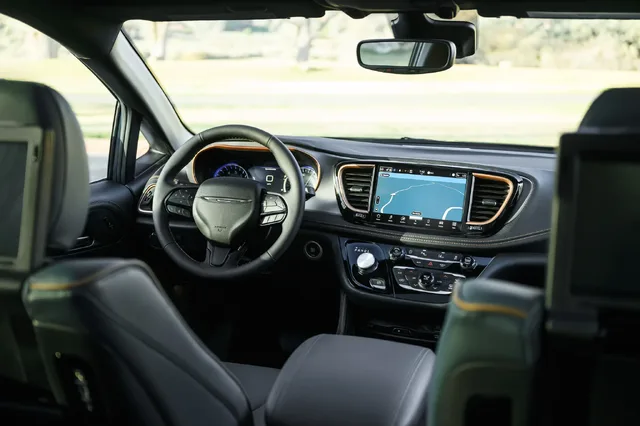
From the album: 2027 Chrysler Pacifica
-
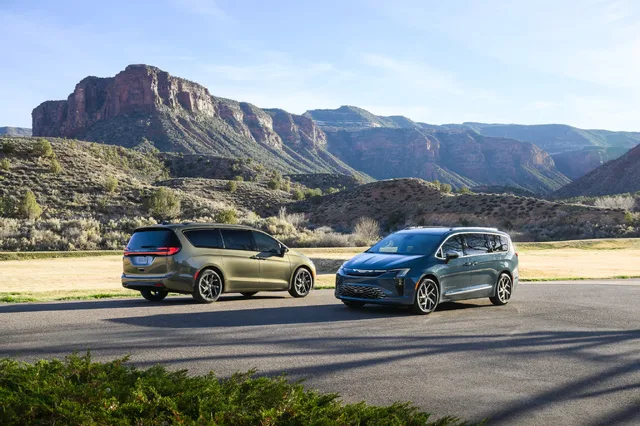
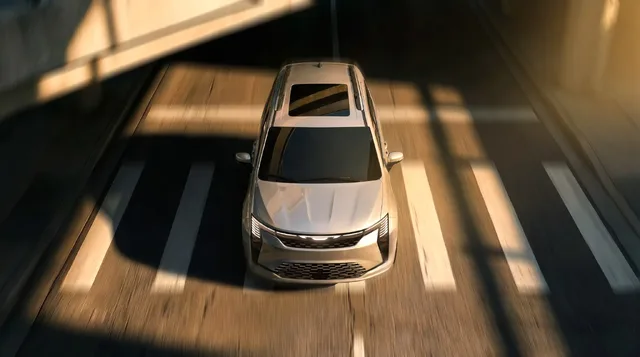
From the album: 2027 Chrysler Pacifica
-
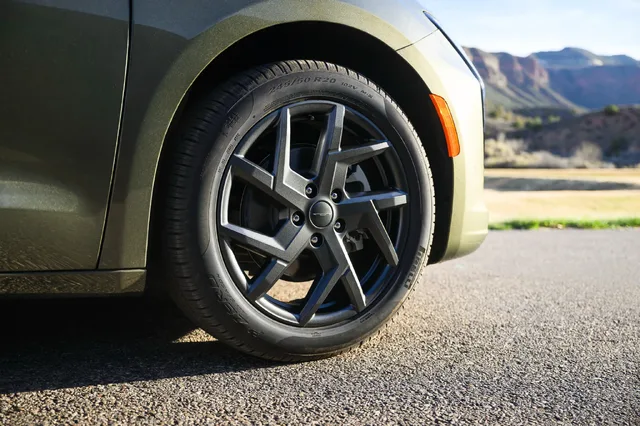
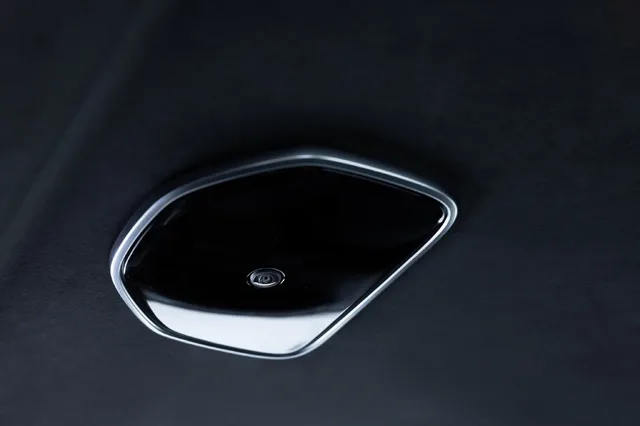
From the album: 2027 Chrysler Pacifica
-
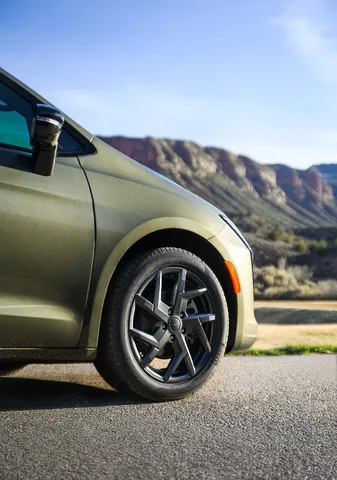
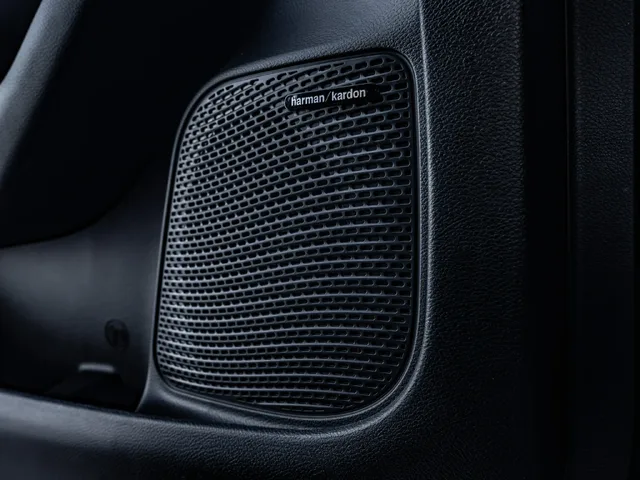
From the album: 2027 Chrysler Pacifica
-
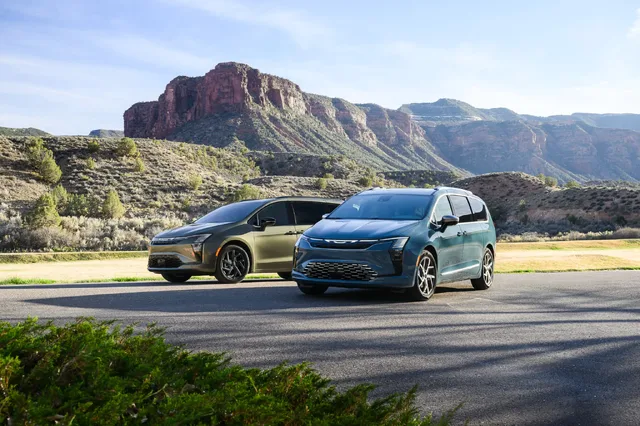
From the album: 2027 Chrysler Pacifica
-
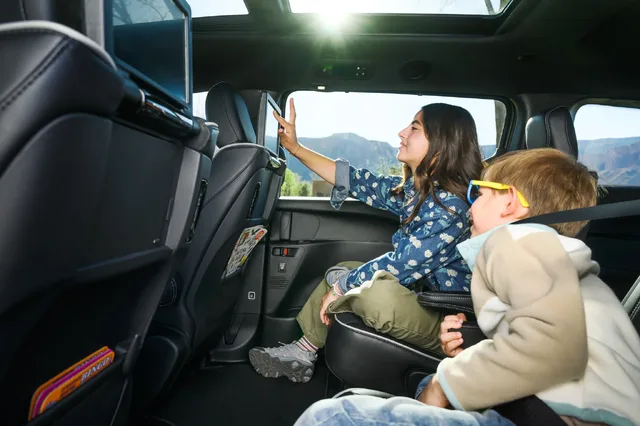
From the album: 2027 Chrysler Pacifica
-
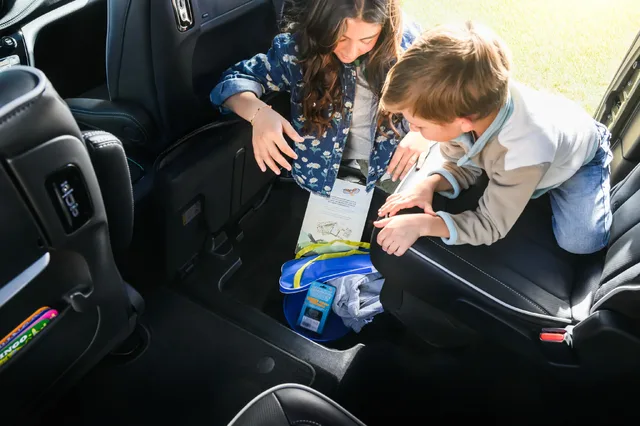
From the album: 2027 Chrysler Pacifica
-
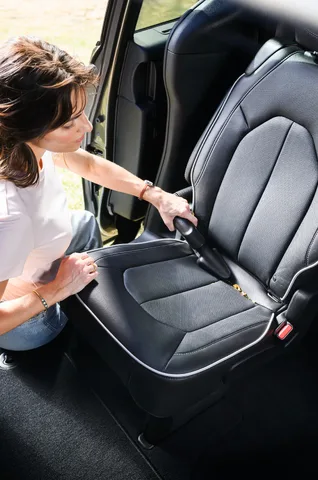
From the album: 2027 Chrysler Pacifica
-
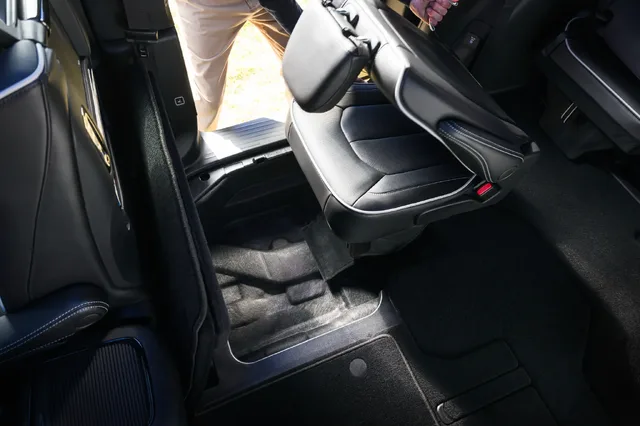
From the album: 2027 Chrysler Pacifica
-
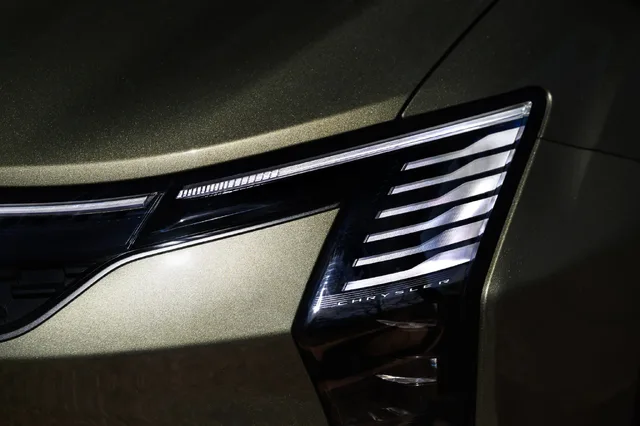
From the album: 2027 Chrysler Pacifica
-
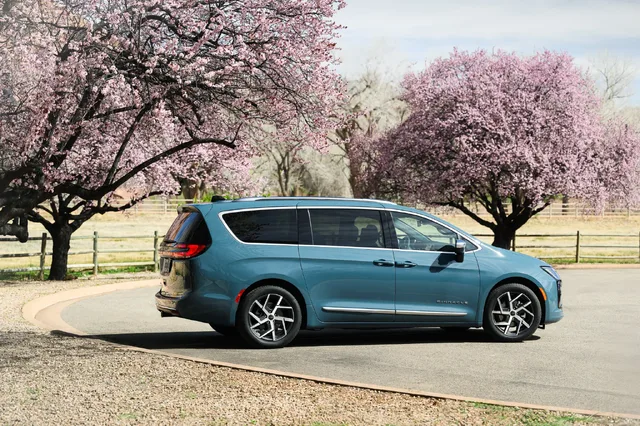
From the album: 2027 Chrysler Pacifica
-
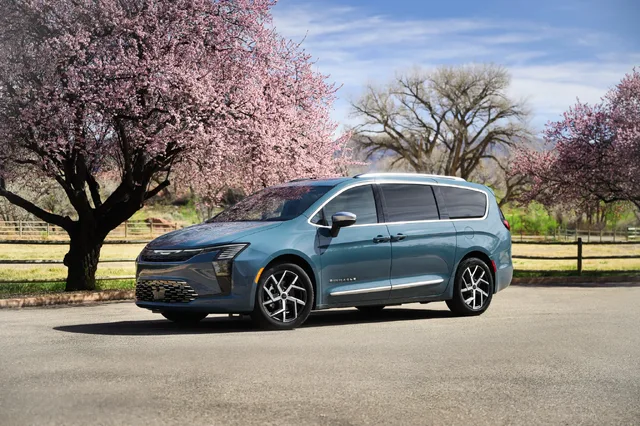
From the album: 2027 Chrysler Pacifica
-
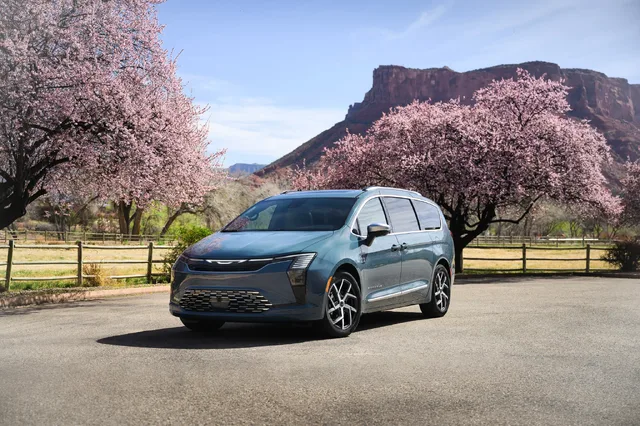
From the album: 2027 Chrysler Pacifica
-
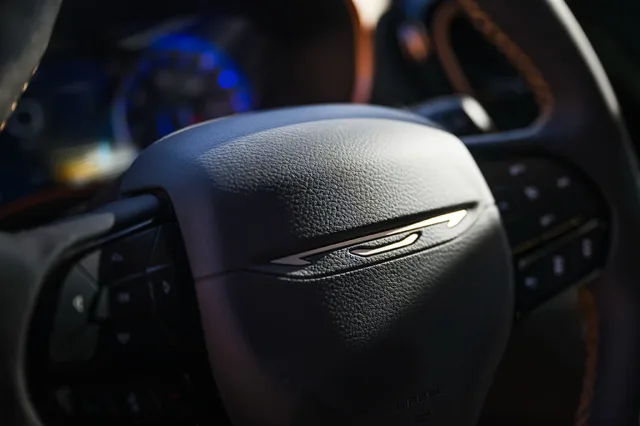
A sub-5-second 3-row family crossover. Crazy world.
- 7 replies
-
- 2
-
-
- electric suv
- getaway
-
(and 5 more)
Tagged with:
-
Subaru unveiled the all-new 2027 Getaway at the 2026 New York International Auto Show, a three-row battery-electric SUV that brings 420 horsepower and Symmetrical All-Wheel Drive to every trim level. The Getaway is the most powerful production Subaru ever built and the brand's fourth BEV, with seating for up to seven, 8.3 inches of ground clearance, and a 95.8-kWh battery rated for more than 300 miles of range. Buyers shopping the three-row electric family SUV segment may notice some familiar numbers in the Getaway's spec sheet: the 95.8-kWh battery, 45.6 cubic feet of cargo space with the third row folded, and 15.9 cubic feet with it upright are the same figures found in the 2027 Toyota Highlander EV, which shares platform underpinnings with the Getaway through the longstanding Toyota-Subaru development partnership. Where the Getaway distinguishes itself is powertrain output (420 horsepower versus the Highlander's 338) and its across-the-board Symmetrical AWD with a mechanical connection between axles. Powertrain and Range The 2027 Getaway uses dual electric motors producing 420 combined horsepower, enough to reach 60 mph in under 5 seconds. The 95.8-kWh battery is rated for more than 300 miles of range, and a standard NACS charging port supports up to 150-kW DC fast charging, bringing the battery from 10% to 80% in approximately 30 minutes. Battery preconditioning is standard and maintains charging performance in temperatures as low as 14 degrees Fahrenheit, a practical feature that many competitors make optional. A standard-range model with a 77.0-kWh battery will also be available in 2027; Subaru has not yet released range or pricing details for that configuration. Capability Subaru Symmetrical All-Wheel Drive is standard on all Getaway trim levels, with a mechanical connection between the front and rear axles. X-MODE Dual-Mode with Snow/Dirt and Deep Snow/Mud settings, Grip Control, and Downhill Assist Control are also standard, along with 8.3 inches of ground clearance. Towing capacity is rated at 3,500 pounds. Interior and Cargo Three-row seating for up to seven is available with a second-row bench seat; second-row captain's chairs (seating six) are standard or optional depending on trim level. Subaru claims six-footers can sit comfortably in all three rows. One-touch second-row folding and power-folding third-row seats are standard across the lineup. With the third row folded, cargo space measures 45.6 cubic feet, slightly more than the Kia EV9. Third-row-upright capacity is 15.9 cubic feet. Three-zone climate control, dedicated third-row vents, USB-C charging ports in every row, cup holders at every seat, and customizable ambient lighting are standard. An available panoramic moonroof is offered on certain trim levels, and heated front seats come standard. Heated second- and third-row seats, ventilated front and second-row seats, and a 360-degree heated steering wheel are available on higher trims. Technology A 14-inch touchscreen with wireless Apple CarPlay and Android Auto is standard, paired with a 12.3-inch digital instrument cluster. Two 15W wireless smartphone chargers are available up front, in addition to four USB-C ports for rear passengers. Five drive modes are available, including a customizable individual setting. EyeSight driver assistance is standard across all trims, covering pre-collision braking, blind-spot monitoring, lane departure alert, adaptive cruise control, traffic jam assist, lane change assist, and emergency stop assist. Higher trim levels add front cross-traffic alert, intelligent park assist, and a digital rearview mirror. The daytime running lights also serve as a charging status indicator when the vehicle is plugged in. The 2027 Subaru Getaway arrives at dealers in late 2026. Pricing has not been announced. Subaru also debuted the updated Forester Wilderness with a new hybrid option at the 2026 New York International Auto Show. View full article
- 7 replies
-
- electric suv
- getaway
-
(and 5 more)
Tagged with:
-
Subaru unveiled the all-new 2027 Getaway at the 2026 New York International Auto Show, a three-row battery-electric SUV that brings 420 horsepower and Symmetrical All-Wheel Drive to every trim level. The Getaway is the most powerful production Subaru ever built and the brand's fourth BEV, with seating for up to seven, 8.3 inches of ground clearance, and a 95.8-kWh battery rated for more than 300 miles of range. Buyers shopping the three-row electric family SUV segment may notice some familiar numbers in the Getaway's spec sheet: the 95.8-kWh battery, 45.6 cubic feet of cargo space with the third row folded, and 15.9 cubic feet with it upright are the same figures found in the 2027 Toyota Highlander EV, which shares platform underpinnings with the Getaway through the longstanding Toyota-Subaru development partnership. Where the Getaway distinguishes itself is powertrain output (420 horsepower versus the Highlander's 338) and its across-the-board Symmetrical AWD with a mechanical connection between axles. Powertrain and Range The 2027 Getaway uses dual electric motors producing 420 combined horsepower, enough to reach 60 mph in under 5 seconds. The 95.8-kWh battery is rated for more than 300 miles of range, and a standard NACS charging port supports up to 150-kW DC fast charging, bringing the battery from 10% to 80% in approximately 30 minutes. Battery preconditioning is standard and maintains charging performance in temperatures as low as 14 degrees Fahrenheit, a practical feature that many competitors make optional. A standard-range model with a 77.0-kWh battery will also be available in 2027; Subaru has not yet released range or pricing details for that configuration. Capability Subaru Symmetrical All-Wheel Drive is standard on all Getaway trim levels, with a mechanical connection between the front and rear axles. X-MODE Dual-Mode with Snow/Dirt and Deep Snow/Mud settings, Grip Control, and Downhill Assist Control are also standard, along with 8.3 inches of ground clearance. Towing capacity is rated at 3,500 pounds. Interior and Cargo Three-row seating for up to seven is available with a second-row bench seat; second-row captain's chairs (seating six) are standard or optional depending on trim level. Subaru claims six-footers can sit comfortably in all three rows. One-touch second-row folding and power-folding third-row seats are standard across the lineup. With the third row folded, cargo space measures 45.6 cubic feet, slightly more than the Kia EV9. Third-row-upright capacity is 15.9 cubic feet. Three-zone climate control, dedicated third-row vents, USB-C charging ports in every row, cup holders at every seat, and customizable ambient lighting are standard. An available panoramic moonroof is offered on certain trim levels, and heated front seats come standard. Heated second- and third-row seats, ventilated front and second-row seats, and a 360-degree heated steering wheel are available on higher trims. Technology A 14-inch touchscreen with wireless Apple CarPlay and Android Auto is standard, paired with a 12.3-inch digital instrument cluster. Two 15W wireless smartphone chargers are available up front, in addition to four USB-C ports for rear passengers. Five drive modes are available, including a customizable individual setting. EyeSight driver assistance is standard across all trims, covering pre-collision braking, blind-spot monitoring, lane departure alert, adaptive cruise control, traffic jam assist, lane change assist, and emergency stop assist. Higher trim levels add front cross-traffic alert, intelligent park assist, and a digital rearview mirror. The daytime running lights also serve as a charging status indicator when the vehicle is plugged in. The 2027 Subaru Getaway arrives at dealers in late 2026. Pricing has not been announced.
-
Subaru of America has announced the first-ever Forester Wilderness Hybrid for 2027, bringing the efficiency of Subaru's hybrid system to its most capable Forester variant. The Forester Wilderness Hybrid uses the same Atkinson/Miller-cycle 2.5-liter SUBARU BOXER engine and series-parallel hybrid configuration as the standard Forester Hybrid, but output climbs to 194 horsepower total system power, up from 180 horsepower in the non-hybrid Forester Wilderness. Subaru claims up to 25% better fuel economy over the standard Wilderness, with official figures to be released closer to the vehicle's late 2026 on-sale date. Capability The Forester Wilderness Hybrid retains what made the non-hybrid model worth considering: 9.3 inches of ground clearance (achieved through longer coil springs and shock absorbers, compared to 8.7 inches in the standard Forester Hybrid), X-MODE Dual-Mode with settings for Snow/Dirt and Deep Snow/Mud, Hill Descent Control, and Subaru's Symmetrical All-Wheel Drive with a mechanical front-to-rear connection. The last point is worth noting in a segment where many competitors increasingly rely on rear-biased electric AWD systems without a mechanical link between axles. The Wilderness Hybrid's approach angle improves to 23.5 degrees versus 19 degrees in the Forester Hybrid, breakover to 20.6 degrees from 19.3, and departure to 25.5 degrees from 24.6. Yokohama Geolandar all-terrain tires on Wilderness-exclusive 17-inch matte black wheels complete the off-road package. Power reaches the wheels through a Lineartronic CVT. Cargo and Utility No hybrid tax on cargo space: the Forester Wilderness Hybrid offers 27.5 cubic feet behind the rear seats and more than 69 cubic feet with the rear seats folded, with Subaru stating no cargo volume is lost to hybrid powertrain components. A power rear gate is standard, and raised roof rails with an 800-pound static load capacity come on every trim level. Technology The 2027 Forester Wilderness Hybrid gets an 11.6-inch touchscreen with wireless Apple CarPlay and Android Auto, a 12.3-inch digital gauge cluster with Apple Maps integration, and a Harman Kardon 11-speaker audio system rated at 576 watts equivalent. EyeSight driver assistance is standard, covering automatic emergency steering, blind-spot detection with rear cross-traffic alert, lane change assist, and advanced adaptive cruise with lane centering, among others. Interior surfaces use Subaru's StarTex animal-free upholstery in a Wilderness-exclusive gray textured finish, and all-weather mats with a cargo area protector are standard. Pricing will be announced closer to the late 2026 launch. Subaru also debuted the all-new 2027 Getaway EV at the 2026 New York International Auto Show. View full article
- 1 reply
-
- forester
- forester wilderness
-
(and 6 more)
Tagged with:
-
Subaru Adds a Hybrid Option to the 2027 Subaru Forester Wilderness
Drew Dowdell posted an article in Subaru
Subaru of America has announced the first-ever Forester Wilderness Hybrid for 2027, bringing the efficiency of Subaru's hybrid system to its most capable Forester variant. The Forester Wilderness Hybrid uses the same Atkinson/Miller-cycle 2.5-liter SUBARU BOXER engine and series-parallel hybrid configuration as the standard Forester Hybrid, but output climbs to 194 horsepower total system power, up from 180 horsepower in the non-hybrid Forester Wilderness. Subaru claims up to 25% better fuel economy over the standard Wilderness, with official figures to be released closer to the vehicle's late 2026 on-sale date. Capability The Forester Wilderness Hybrid retains what made the non-hybrid model worth considering: 9.3 inches of ground clearance (achieved through longer coil springs and shock absorbers, compared to 8.7 inches in the standard Forester Hybrid), X-MODE Dual-Mode with settings for Snow/Dirt and Deep Snow/Mud, Hill Descent Control, and Subaru's Symmetrical All-Wheel Drive with a mechanical front-to-rear connection. The last point is worth noting in a segment where many competitors increasingly rely on rear-biased electric AWD systems without a mechanical link between axles. The Wilderness Hybrid's approach angle improves to 23.5 degrees versus 19 degrees in the Forester Hybrid, breakover to 20.6 degrees from 19.3, and departure to 25.5 degrees from 24.6. Yokohama Geolandar all-terrain tires on Wilderness-exclusive 17-inch matte black wheels complete the off-road package. Power reaches the wheels through a Lineartronic CVT. Cargo and Utility No hybrid tax on cargo space: the Forester Wilderness Hybrid offers 27.5 cubic feet behind the rear seats and more than 69 cubic feet with the rear seats folded, with Subaru stating no cargo volume is lost to hybrid powertrain components. A power rear gate is standard, and raised roof rails with an 800-pound static load capacity come on every trim level. Technology The 2027 Forester Wilderness Hybrid gets an 11.6-inch touchscreen with wireless Apple CarPlay and Android Auto, a 12.3-inch digital gauge cluster with Apple Maps integration, and a Harman Kardon 11-speaker audio system rated at 576 watts equivalent. EyeSight driver assistance is standard, covering automatic emergency steering, blind-spot detection with rear cross-traffic alert, lane change assist, and advanced adaptive cruise with lane centering, among others. Interior surfaces use Subaru's StarTex animal-free upholstery in a Wilderness-exclusive gray textured finish, and all-weather mats with a cargo area protector are standard. Pricing will be announced closer to the late 2026 launch. -
Hyundai Surprises in New York with 2027 Hyundai Boulder Concept
Drew Dowdell posted an article in Hyundai
At the 2026 New York International Auto Show, Hyundai made an appearance nobody had on their bingo card: the Boulder Concept, a body-on-frame SUV design study confirming the brand's intent to enter the midsize pickup truck segment. Hyundai CEO José Muñoz stated at the reveal that a production midsize pickup is targeted for delivery by 2030, representing just one of 36 new Hyundai vehicles planned for North America by that date. The move into body-on-frame is a significant step for Hyundai. The midsize truck segment, dominated by the Ford Ranger, Toyota Tacoma, and Chevrolet Colorado, has been one of the few areas where the brand had no competitive answer. The Boulder Concept, with its blunt upright stance and aggressive proportions, signals that Hyundai is taking this entry seriously. Exterior Design The Boulder's styling falls under what Hyundai calls "Art of Steel," a design language developed in collaboration with Hyundai Steel that treats the material's natural formability as a feature rather than something to minimize. The result is clean and muscular, with a flat hood, upright two-box silhouette, and squared-off proportions that make the vehicle's purpose clear at a glance. The entire exterior is finished in Liquid Titanium. Specific details worth noting include coach-style doors that open outward from a shared center pillar on both rows, dual fixed safari windows above the door glass that flood the cabin with light, and a low-profile roof rack with steel webbing between the rails for extra cargo capacity. Reflective material appears on the tow hooks and door handles, a practical touch for identifying the vehicle after dark on the trail. The spare tire mounts on the tailgate in full-size format (37x12.50R18 LT mud-terrain), the rear tailgate itself is double-hinged and opens from either side, and a power drop-down rear window accommodates long cargo or trail ventilation. Inside the Boulder The interior takes an approach that will resonate with anyone tired of swipe-and-tap cabin controls. Physical knobs and buttons handle the frequently-used functions, deliberately placed within easy reach for off-road use where a touchscreen becomes a frustration rather than a convenience. The cabin uses robust materials at grab points and high-wear surfaces, with a warm tan and rust-orange color palette throughout. Fold-out tray tables are built into the front seat backs, practical surfaces for a trail lunch or a quick work session in the field. Overhead, the dual safari fixed windows continue from the exterior design, providing natural light and sightlines to the surrounding terrain. A software-driven guidance system projects off-road navigation data across the windshield glass, functioning as what Hyundai describes as a digital co-pilot for unfamiliar terrain. The Road to Production Hyundai has committed that its future body-on-frame vehicles will be designed in America, developed for America, built in America, and forged with steel produced by Hyundai Steel's U.S. facilities. Hyundai Motor North America CEO Randy Parker characterized the midsize pickup as a "significant growth opportunity" and positioned the Boulder Concept as a clear signal of how the company is approaching the segment. The Boulder Concept is a pure design study. No powertrain has been announced, no production specifications are confirmed, and the vehicle itself will not head to showrooms in this form. What Hyundai has confirmed is the platform architecture, the target segment, and the intent to deliver a production midsize pickup by 2030. -
From the album: 2027 Hyundai Boulder Concept
-
From the album: 2027 Hyundai Boulder Concept
-
From the album: 2027 Hyundai Boulder Concept
-
From the album: 2027 Hyundai Boulder Concept
-
From the album: 2027 Hyundai Boulder Concept