


Drew Dowdell
Editor-in-Chief
-
Joined
-
Last visited
Everything posted by Drew Dowdell
-
Voltgate: Manufactured Outrage October 12, 2010 - Drew Dowdell Yesterday the automotive press' world exploded over a small, inconsequential, technical detail in the Chevrolet Volt's powertrain that increases energy and fuel efficiency by about 15%. This detail caused the likes of Edmunds, Jalopnik, and Popular Mechanics to go so far as to accuse GM of lying about the Volt not being a hybrid. I've already explained the technical reasons behind why those publications are wrong in yesterday's article Volt: Still a not Hybrid... no lie! I have to give some props to TheCarConnection.com for being a fellow voice of reason in this flap. What bothered me most about these accusations is how quickly they started. The tweets and editorials started pouring in, in the early hours of Monday morning. Now I can't claim that Cheers and Gears has the access to GM Communications and GM Engineers that the above mentioned publications have, but I was still able to talk to the Volt's powertrain Chief Engineer about an hour after sending a request to do so. If someone relied solely on what was being published about the Volt yesterday, it's quite understandable why someone would be confused (and somewhat dazed by the intensity of discussion) about the Volt's technical details. However simply talking with a Volt engineer and studying the diagrams will bring you to a conclusion completely opposite of the "GM LIED!" editorials. After I concluded my interview with Pam Fletcher, the Volt's Chief Powertrain Engineer, the first thing that came to mind was how much "Voltgate" reminded me of GM's "Loangate" from April 2010. There was an absolute rush to judgment by the press (and some members of Congress) that GM lied about without taking any time to understand what General Motors was saying or even what they were required by the terms of the loan to do. But why take the time to understand either of these issues? Sober, sensible commentary takes time and there is web traffic to drive. Besides, how can the general public resist clicking on a link shouting "GM LIED!"? Back then, I maintained that the press and the shouting members of Congress mostly got the statement wrong. If I go to the bank and get a home equity loan for $50,000, deposit that in my bank account, use $20,000 of it, and send $30,000 that I ended up not needing back to the bank plus some interest, the bank considers that $30,000 repaid and it still has a $20,000 lien on my house.If I sell my house (think IPO) the bank has a right to that $20,000 before I do. Could GM have handled the situation better? Probably, but considering the lure of sensational journalism and the fact that there are still people out there who want to see GM fail no matter what, I don't think there was much GM could have done. The patent process dictated that GM remain silent on certain aspects of the Volts architecture. As a completely new type of automotive locomotion, this meant that the only thing certain about the Volt's powertrain was that there was going to be a surprise or two once the final specifications were released. GM did release an additional press release about the Volt powertrain late yesterday as it became clear there was quite the tempest in a teapot brewing. Here's a line that jumps out at me. There is no direct mechanical connection (fixed gear ratio) between the Volt's extended-range 1.4L engine and the drive wheels. In extended-range driving, the engine generates power that is fed through the drive unit and is balanced by the generator and traction motor. The resulting power flow provides a 10 to 15 percent improvement in highway fuel economy. What makes this whole situation manufactured outrage is this: The Volt doesn't need this connection to operate. If GM had left out this component, the Volt would have functioned exactly as the press had guessed it would, albeit with 15% less gasoline fuel economy when traveling above 70 mph. In the past if GM gave people less, people complained. Today, if GM gives people more, people complain. One of the sayings I'm famous for on Cheers and Gear is, "GM could build a fully working model of Christ himself and people would complain that the water to wine function only dispense a Merlot". I hate being right.
-
-
-
Chrysler 200 - Not Teasing Anymore Chrysler isn't teasing anymore with it's new Chrysler 200 photos Chrysler 200 - Not Teasing Anymore Cheers and Gears Media Gallery: Chrysler 200
-
Chrysler 200 - Not Teasing Anymore Over the past month, Chrysler has been relentlessly teasing us with small closeup shots of the coming 200c sedan. Well they're not teasing anymore. C&G Media Gallery: 2011 Chrysler 200 From the Press Release: Virtually every system in the sedan is new or upgraded for 2011, giving the Chrysler 200 its own identity and space in the highly competitive mid-size sedan segment. Exterior and sheet metal upgrades include: front and rear fascias and fenders, grille featuring the new Chrysler brand winged badge, hood, rear decklid and exterior mirrors, new projector headlamps and fog lamps, new LED taillamps and a LED center high-mounted stop light. The Chrysler 200 gets a new powertrain lineup featuring the 2.4-liter I-4 World Gas Engine mated to either a four-speed or six-speed automatic transaxle, or the new 3.6-liter Pentastar V-6 engine mated to a six-speed automatic transaxle; improved ride and handling tuning which includes stiffened body mounts and softer ride rate, improved suspension geometry with a raised roll center, a new rear sway bar, and new tires and an extensively upgraded treatment for the reduction of noise, vibration and harshness including acoustic laminated glass for the windshield and front door windows. Quality materials abound in the beautifully updated new interior for 2011. Updates include a new instrument panel, bezels and gauge face, upgraded seats with a new design that incorporates more cushion material and revised spring geometry as well as new leather and cloth seating materials, new "soft touch" armrests and dash, and new heating and cooling outlets in the instrument panel with improved design and functionality. The new 2011 Chrysler 200 provides drivers a beautifully inspired sedan that doesn't compromise safety or practicality and offers the best value in its class. The Chrysler 200 will be built at the Sterling Heights Assembly Plant in Sterling Heights, Mich. and will arrive in dealerships in the fourth quarter 2010. Related: Teaser photos of Chrysler 200 A Million Miles to Mid-Pack. Will the 200 and Avenger be enough? Just a peek: 2011 Dodge Charger interior photos
-
-
-
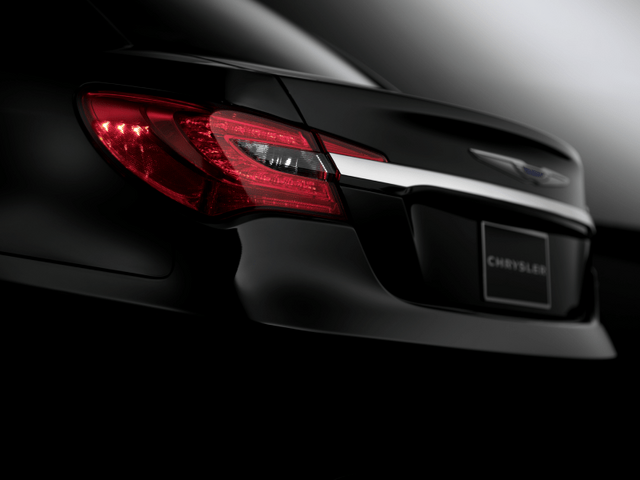 Chrysler 200 trunk
-
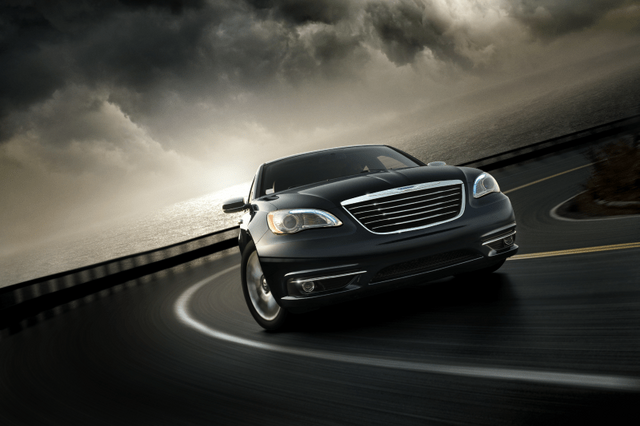 Chrysler 200 on road storm
-
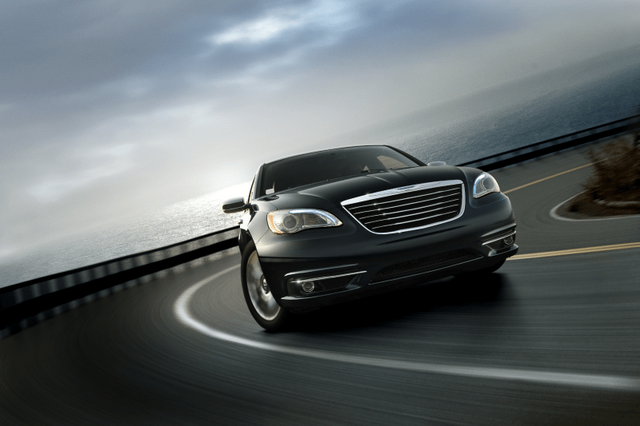 Chrysler 200 on road
-
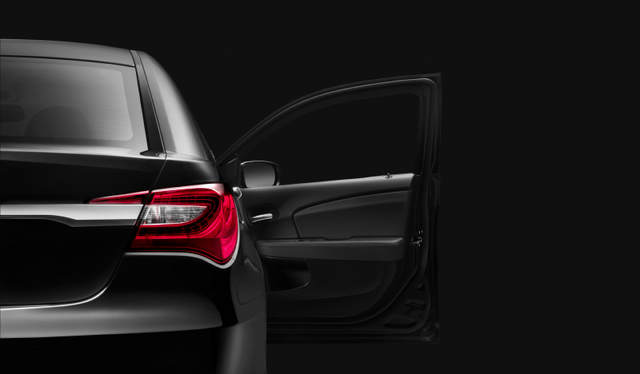 Chrysler 200 door open
-
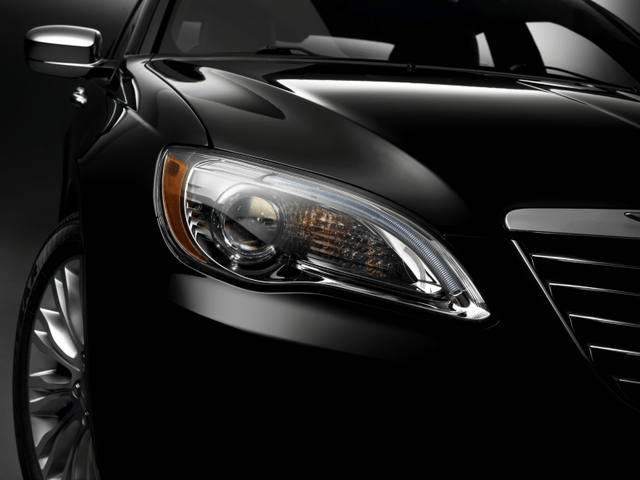 Chrysler 200 headlight right
-
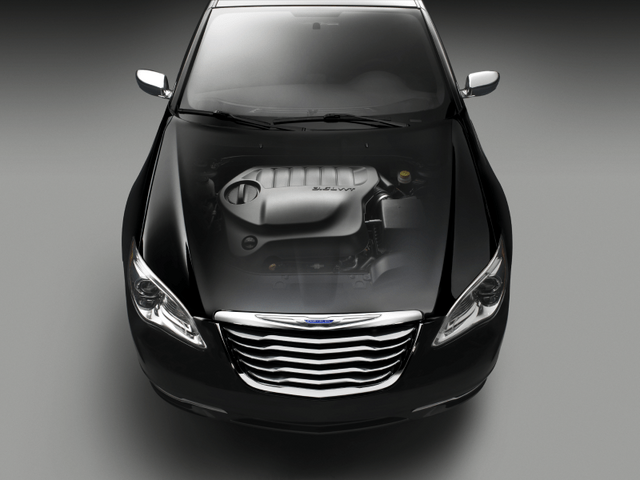 Chrysler 200 hood engine
-
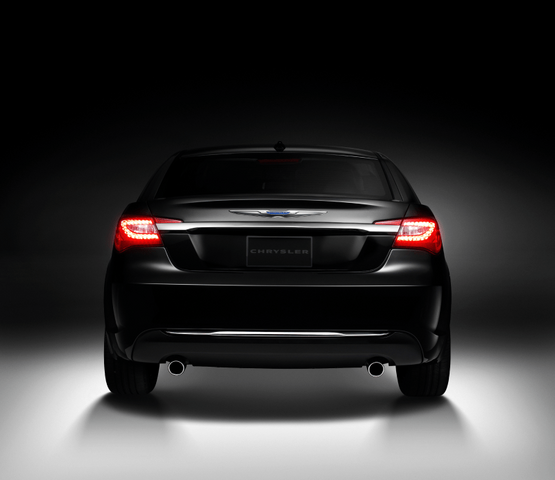 Chrysler 200 rear
-
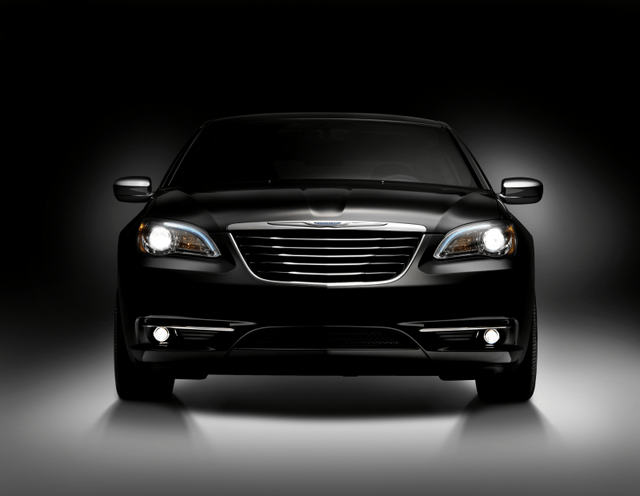 Chrysler 200 front
-
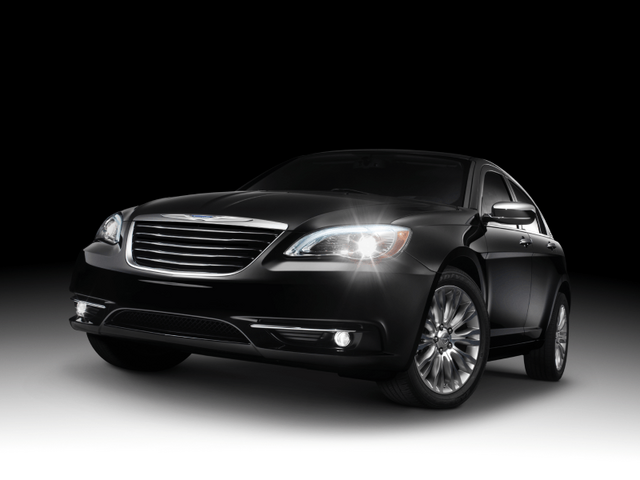 Chrysler 200 front 3/4 view 2
-
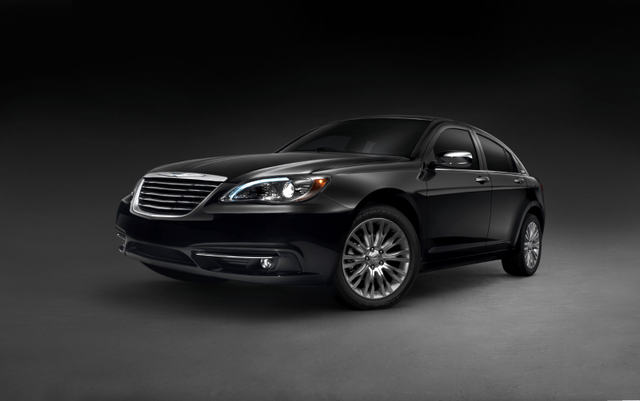 Chrysler 200 front 3/4 view
-
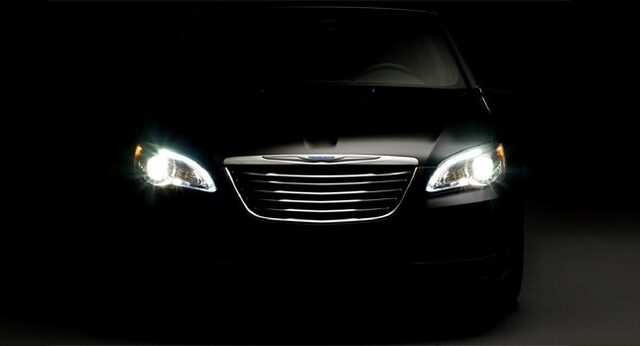 Chrysler 200 front
-
 Chrysler 200 tail light teaser
-
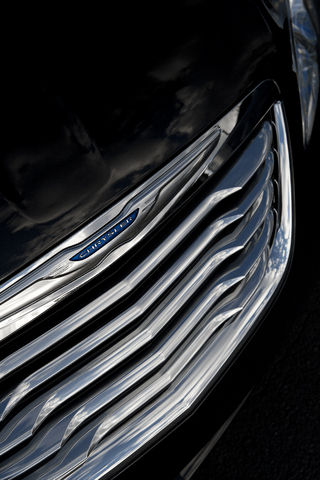 Chrysler 200 front grill teaser
-
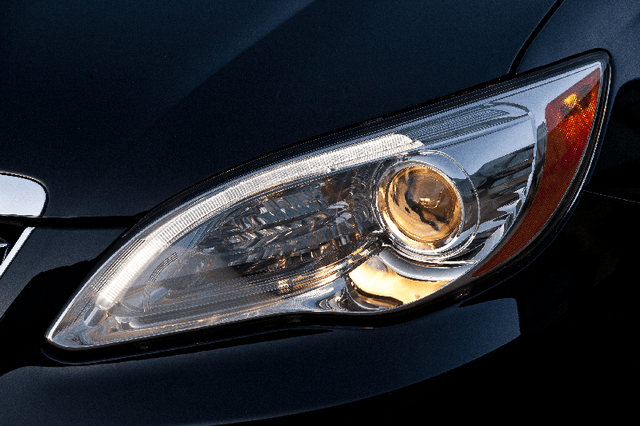 Chrysler 200 front headlight cluster teaser
-
-
From the album: Chrysler 200
-
-
-
From the album: Chrysler 200
-
From the album: Chrysler 200
-
-
-
From the album: Chrysler 200
-
From the album: Chrysler 200
-
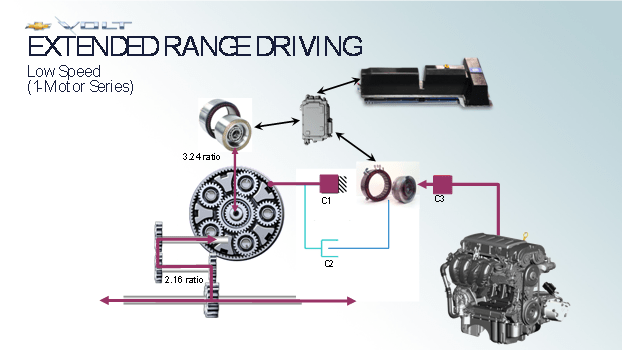
From the album: Chevrolet Volt
-
The Volt: Still not a hybrid... no lie! This morning the automotive press’ inter-tubes went all a flutter over the revelation that the just released Chevrolet Volt has a clutch that can engage the gasoline engine to the generator which could itself be connected to the wheels when the vehicle is running over 70mph and the battery is depleted. This prompted cries of “GM LIED!” and “IT’S JUST A HYBRID!” due to the fact that since near the beginning, GM has been marketing the Volt as an electric vehicle with an onboard range extender and it had no physical connection from engine to wheels. That got me thinking: What exactly is the definition of a hybrid? Read More: The Volt: Still not a hybrid... no lie!
-
The Volt: Still not a hybrid... no lie! October 11, 2010 - Drew Dowdell This morning the automotive press' inter-tubes went all a flutter over the revelation that the just released Chevrolet Volt has a clutch that can engage the gasoline engine to the generator which could itself be connected to the wheels when the vehicle is running over 70mph and the battery is depleted. This prompted cries of "GM LIED!" and "IT'S JUST A HYBRID!" due to the fact that since near the beginning, GM has been marketing the Volt as an electric vehicle with an onboard range extender and it had no physical connection from engine to wheels. That got me thinking: What exactly is the definition of a hybrid? Is there a certain percentage of drive time or torque distribution that causes a vehicle to cross the hybrid/non-hybrid threshold? Nearly all automobiles have been a combination of internal combustion and electric motors since Cadillac installed the first electric start in 1912. Before the days of the clutch interlock, if your car wouldn't start, you could turn the key with the transmission in first and move the vehicle a few feet. It was a good way to burn out your starter, but it could be done in a pinch. So when my dad did that in his '82 F-250 to move it out of traffic's way in a bad situation, did his old Ford magically turn into a hybrid for those few brief seconds? I think not. In 2008, GM introduce the Chevrolet Malibu Hybrid and Saturn Aura Hybrid. These vehicles were powered by something GM called Belt-Alternator-Starter or BAS. Any explanation you need is right there in the name. It's was basically a heavy duty belt that allowed a heavy duty alternator to supplement the power of the vehicle's 4 cylinder engine. It also allowed start/stop engine operation in city driving, though a traditional engine starter was retained for cold starts. The BAS system added a grand total of 5 horsepower and could only propel the car up to 3mph. Would you call this a hybrid? Despite GM's marketing department, which called it a "mild" hybrid, I don't buy it. Neither did anyone else and the Malibu was reduced to "Fleet Only" status for 2009. What about the vehicle that is the very definition of the term hybrid? The Toyota Prius is the best selling hybrid on the market... ever. In the Prius' system, power input is split between the electric motors and the gasoline engine depending on throttle input. Under full throttle, you get power from both sources. Power is combined in a device that Toyota calls the Hybrid Synergy Drive, basically a multi directional transmission that can take rotational energy from 3 different inputs (gas engine, electric motor, or wheels) and send it to two other locations (the electric motor for battery regeneration or the wheels for motion) as circumstances demand. The Prius is able to operate in electric only mode, gasoline only mode, and nearly every blend of in between. Would you call this a hybrid? Multiple power sources going in multiple directions... it most certainly is. So back to the Volt. I spoke with Pam Fletcher, Chief Engineer of Volt Powertrain Development and asked her what her response is to the people who say "The Volt is just a plug in hybrid". She said, "A hybrid can't do what the Volt can do. If you put the Volt's battery in a hybrid it won't change the nature of the way that vehicle drives." If you drive a Prius and press the throttle all the way, you will get a combination of full power from the electric motor and full power from the gasoline motor for maximum acceleration. However, in the Volt with a full charge, you can get the vehicle up to 100 miles an hour and never use a drop of gasoline. As the battery's charge level depletes below a certain level, the gasoline engine will kick in to "follow behind" and replenish the battery. The main physical motivation for the Volt comes from a 142hp traction motor. An additional 73 hp can be added on from a second motor if the driver applies more than 80% throttle. If the driver applies 100% throttle with a full battery.... the gasoline engine is still sitting on the sidelines doing nothing. At normal driving speeds, the traction motor is more than enough to hustle the Volt around. One of the benefits of electric motors is awesome low end torque. A well designed electric motor will have it's maximum amount of torque at zero rpm. Thus as an electric motor increases in RPM, it gradually loses it's torque output. At 70 mph, the Volt's traction motor is turning over 6,000 rpm. Volt's engineering team discovered that this wasn't a very energy efficient rpm to operate at. So at speeds above 70 mph, they couple the smaller, second motor, and reduce the rpm of the primary traction motor. This gains the Volt about 1 to 2 miles of electric only range at 70+ mph. So where does the controversy lie? It's in the arrangement of the electric motors. That smaller motor mentioned above is usually the generator when the Volt is in regeneration mode. Since you're going nowhere if the battery is drained, the gas engine kicks in to recharge the battery, only if you're going over 70mph, the generator is already in use propelling the car. So the gasoline engine assists the secondary motor which is assisting the primary motor. It's this physical connection to what essentially a dual use component that is sending the likes of Edmunds and Jalopnik into a froth, but in reality gives the Volt a 15% increase in efficiency. Does this dual use component make the Volt a hybrid and not an EV? Well we have to go back to the original question of, "What make a car a hybrid?" The Volt can be operated at any speed and at any level of acceleration without the gasoline so much as twitching. The Prius, even the coming plug in model, can't do this. The Prius can move on any combination of motive power. The Volt's only motive power is electrical. The Prius can be driven without any electrical assist at all. In Volt, if your batteries ain't glowin, you ain't goin. So is the Volt a hybrid? No, not really. Even after all this fluff it's still an electric vehicle with an onboard generator. Cries of "GM LIED!" and "IT'S JUST A PLUG IN HYBRID!" are just sensationalist automotive tabloid journalism designed to drive traffic to websites.That the gasoline engine can assist the smaller electric motor under certain conditions, doesn't make it any more a hybrid than the burned out starter on my dad's F-250 was. To GM, I suggest a new term: EV with ICE assist.
-
-
In a Chrysler... probably the LeBarron Convertible. In a Dodge... probably their last K-Car convertible. The Cutlass Supreme had a white leather interior in convertibles up until 1995.
-
That deserves a couple of +1s
-
Today! You can't get past "today". The whole point of the Volt is that it removes gasoline as the lynch pin to mobility. Electricity is renewable and we know many many many different ways to make it. Having the electric drive train opens up a host of possibilities on how to generate that electricity. A sterling engine or propane turbine engine would NEVER be viable as the primary motive power in a vehicle.... but both of them can be used to generate electricity. It's like you are griping about Ford upgrading the brakes in the Model-T to something other than wood because cars will never go above 30mph anyway. Did you really just make a super idiotic analogy? The analogy I'd make is this one. You have two students. One majored in Basket Weaving and got a C-. The Basket it made were interesting, but not particularly useful. The other student did a duel major in chemistry and physics, with a minor in eco-sciences.... and got solid B's throughout for being capable of doing the work. Which student do you think is going further in life? The Volt is the far more advanced power train here. You're heaping all this praise on Nissan for doing something Detroit Electric did in 1907. Their vehicles had an 80 mile range on nickle iron batteries. So... yay Nissan... 103 years later, they beat Detroit Electric by 20 miles. 1. Not at a set speed, but at a fairly constant speed. I do understand that it's not on/off. 2. Because of the dynamics of torque. The Pruis's electric motor smooths out differences between torque needs and torque supply. A standard gas engine with a CVT is all over the RPM band all the time. 3. It's more efficient to run an engine, any engine, at a constant rpm. Any time you have to change the RPM, you're losing energy.
-
From the album: Chrysler 200
-
We have a fairly strong Google and Bing presence for a site our size. That's something I've worked on since I took the site over.


