
Leaderboard

Popular Content
Showing content with the highest reputation on 03/04/2024 in all areas
-
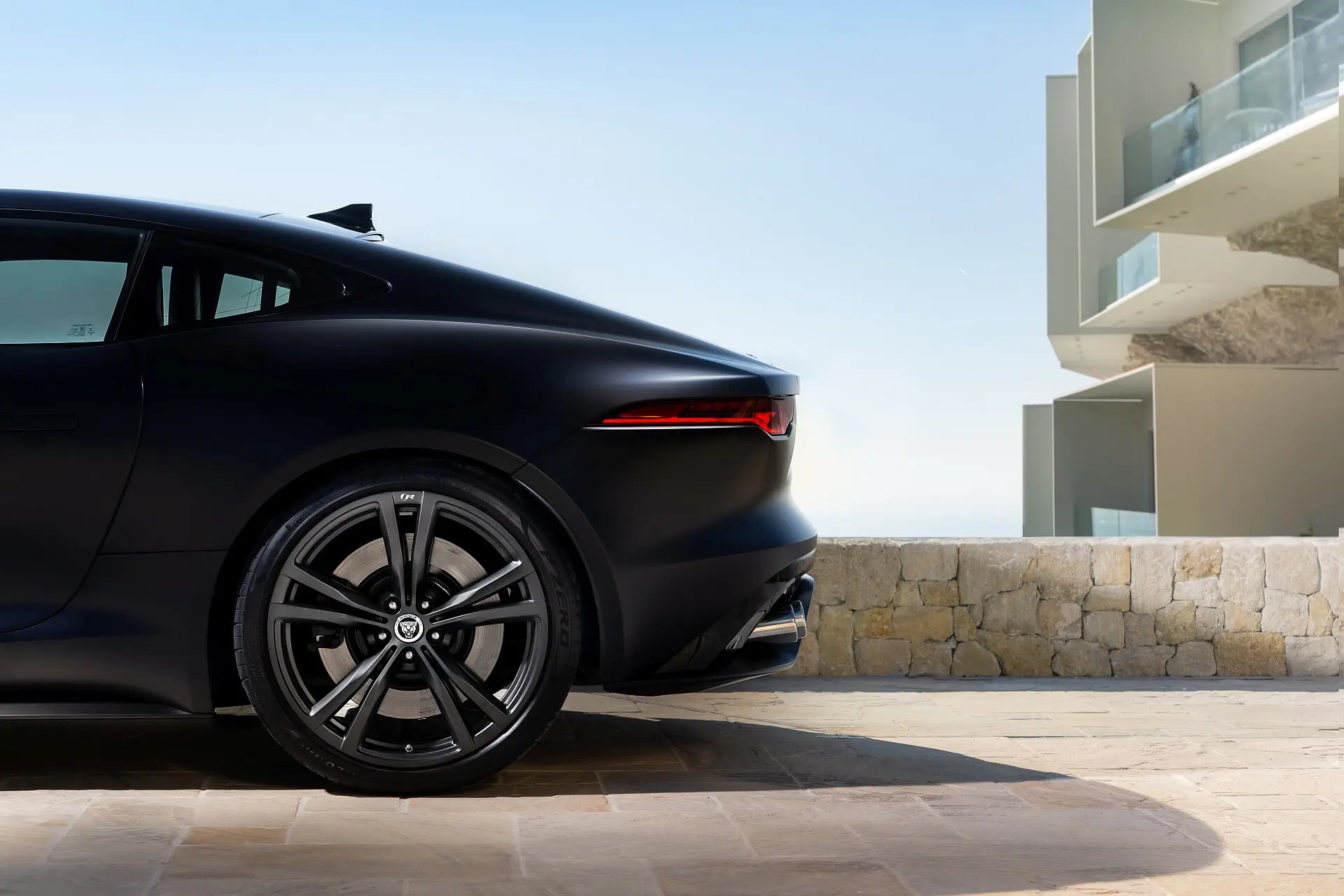 In February of 2021, Jaguar announced that it would become an all-electric brand by 2025, a feat that, if achieved, would make it the first legacy brand to make that transition. Later this year, the last three gas-powered Jaguar models (E-Pace, F-Pace, and XF Sedan) will end production well before the electric replacements are ready. Jaguar is building up some inventory to carry it through the production crunch, but it is only able to do that because the brand's sales have fallen from 179,000 units in 2017 to 43,000 units globally. The first of three new EVs arrives in mid-2025 with a followup model later that year and the final of the trio in 2026. All three will be based on Jaguar's new JEA (Jaguar Electric Architecture) platform, unrelated to the current Jaguar I-Pace. Starting with a high-dollar grand touring sedan, Jaguar intends to take aim at competitors like the Porsche Taycan and Audi e-tron GT. And while Jaguar does claim the new four-door GT will be the most powerful Jaguar ever (that crown is currently held by the top F-type with 575 horsepower), they are aiming for a more generous range than the direct competition with 430 miles on the WLTP test or roughly 400 miles when the EPA gets their hands on it. Unfortunately, the full-size Jaguar XJ has been killed again before it got resurrected. When the gasoline XJ went out of production, Jaguar said the XJ would return as an EV, but that plan was scuttled back in 2021 and no XJ is forthcoming. By the end of the year, even the I-Pace crossover will end production, potentially leaving Jaguar with zero vehicles in production if there are delays with the four-door GT. The I-Pace never made a mark on the market with a $73,000+ starting price and a 246 mile range. Related: Jaguar I-Pace Gets More Range From Software Update Rumorpile: F-Type Could Offer An Electric Powertrain1 point
 -
 During the 2021 Los Angeles Auto Show, Hyundai displayed their SEVEN concept, a highly futuristic three-row EV roughly the size of the company's Palisade. It was assumed at the time that when this vehicle came to market in production form, it would wear the Ioniq 7 nameplate. A recent report to Automotive News (subscription required) has said that the name will now change to Ioniq 9 to better align with Kia's EV9 SUV and also give space below for additional Ioniq models to come. Hyundai is busy making Ioniq into its own brand, with several vehicles planned in the coming years, including some Hyundai Ioniq trucks. The Ioniq 9 is expected to break cover in June this year and Hyundai hopes to mirror the out of the barn success of the Kia EV9 that it shares a platform with. Like the Kia EV9 range, we can expect the Ioniq 9 to have a similar 230 mile base range, up to a 304 mile long-range RWD model, and all-wheel drive models landing with about 270 miles - 280 miles of range. Related: All-Electric IONIQ-6 Streamliner Sedan is Unveiled 2022 Hyundai Ioniq 5 Kicks Off A New Sub-Brand Hyundai's Ioniq 5 N Is Only 2.6 Seconds Slower Than the BMW M2 CS At The Nürburgring1 point
 -
Fisker issued a stark warning yesterday that it might not be able to continue as a going concern after announcing $463.6 million in losses. Though building more than 10,000 of Fisker's initial model, the Ocean, the company was only able to deliver about 4,700 units in 2023. Fisker initially pursued a direct-to-consumer sales model, but just last month announced it would add dealerships alongside the existing distribution with 13 dealerships across the U.S. and Europe signed up so far. Fisker said its business plan was highly dependent on the success of the dealership model. Fisker aims to deliver 20,000 to 24,000 units in 2024. CEO Henrik Fisker said, "2023 was a challenging year for Fisker, including delays with suppliers and other issues that prevented us from delivering the Ocean SUV as quickly as we had expected". Fisker additionally said it would be cutting 15% of its workforce and pursuing a partnership with another automaker for investment and joint product development. This afternoon, a source close to the company revealed that Nissan is the sole manufacturer in "advanced talks" with Fisker. While details of the deal are preliminary and not finalized, Nissan would invest more than $400 million into Fisker's truck platform, which the two companies would share. Nissan would build its own version of the EV truck at one of its U.S. Assembly plants. Nissan was one of the earliest entries in the EV space with its Nissan Leaf hatchback debuting in 2010 but had since failed to gain ground against upstarts like Tesla and industry giants like Hyundai. The deal could close by the end of March. Related: Fisker Ocean Extreme Receives 360-mile EPA Range, Starts Deliveries This Month Fisker Ocean Can Gain 200 Miles Range in 30 Minutes Fisker Joins Others to Adopt Tesla's NACS Charging View full article1 point

This leaderboard is set to New York/GMT-04:00