

Leaderboard
-
.jpg.8ae9d0e82de6ccceea948d423bae2607.jpg)
Zane Wylder
Members8Points50Posts -
regfootball
Members4Points21,732Posts -
ocnblu
Members4Points35,458Posts -
ccap41
New Member4Points11,861Posts
.jpg.8ae9d0e82de6ccceea948d423bae2607.jpg)


Popular Content
Showing content with the highest reputation on 05/18/2018 in all areas
-
Doesn't come as a surprise. How about this engine in a Colorado??4 points
-
15 years ago** The 5.3 was rated at 285-310hp and 325-335tq.3 points
-
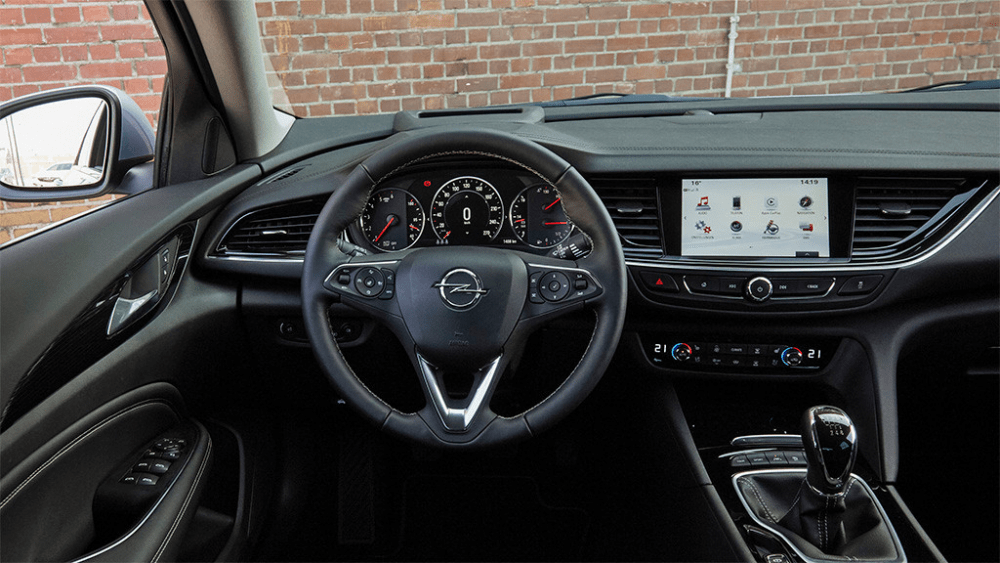
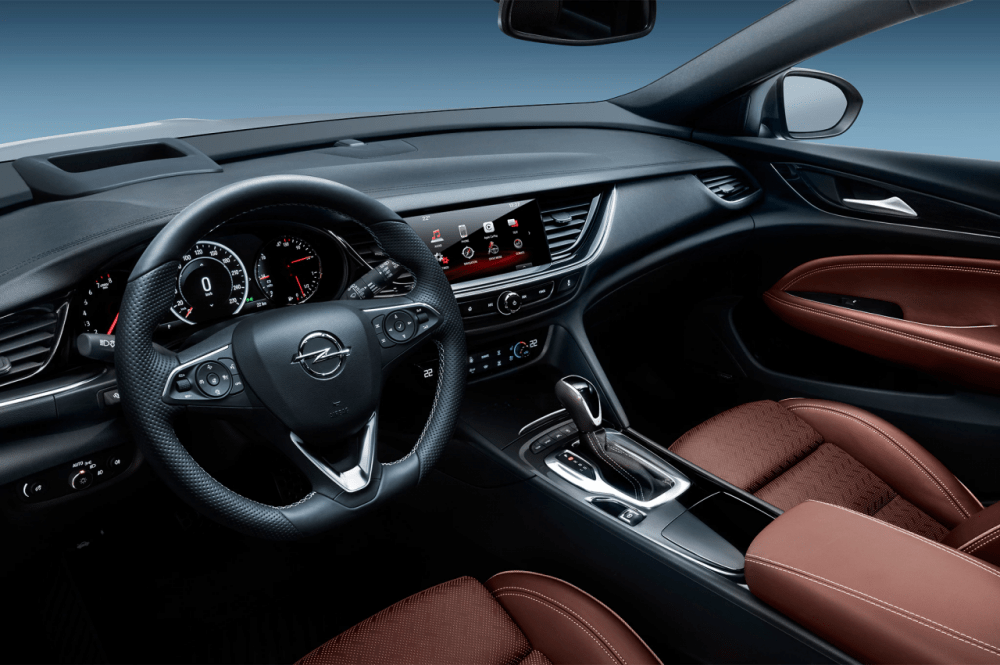
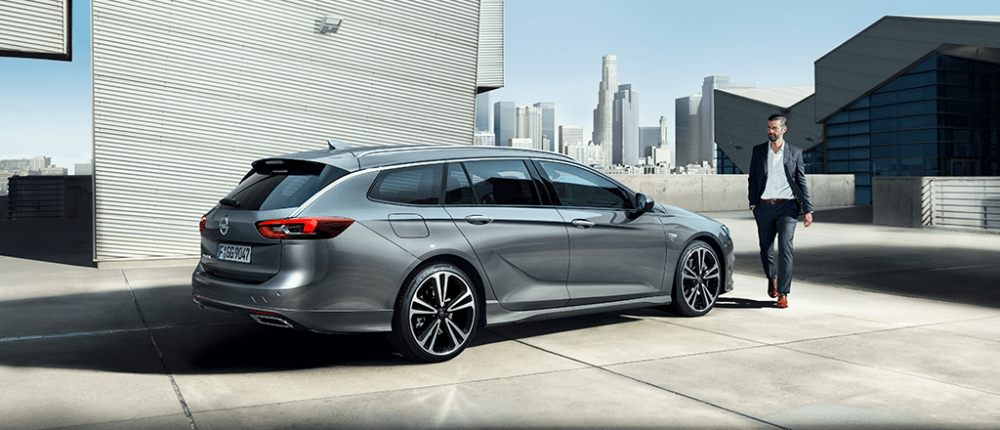
2 pointsAlways puzzles me how GM NA can't ever seem to make use of the Opel stuff and now Opel is gone. Maybe GM should have brought the previous Insignia wagon over......


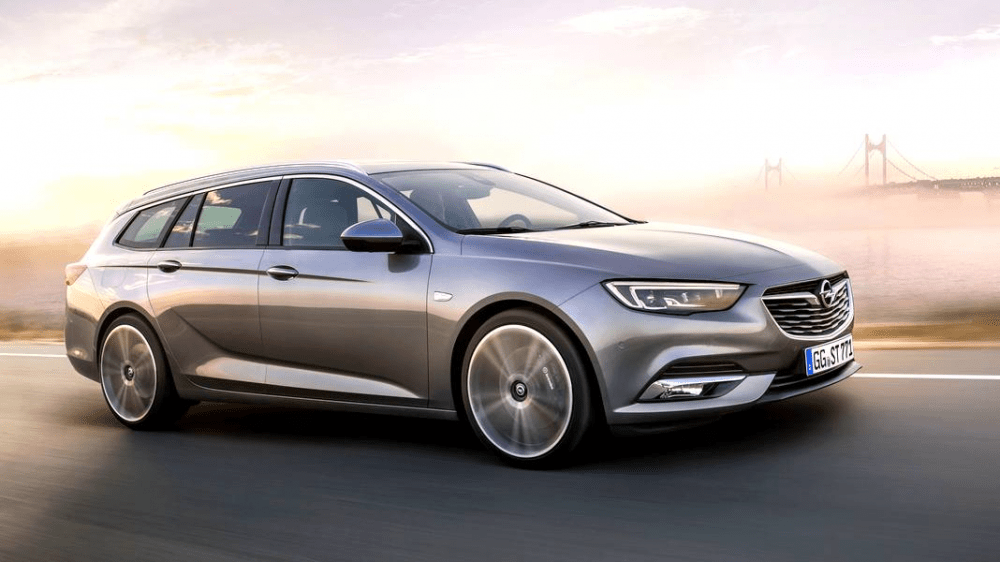
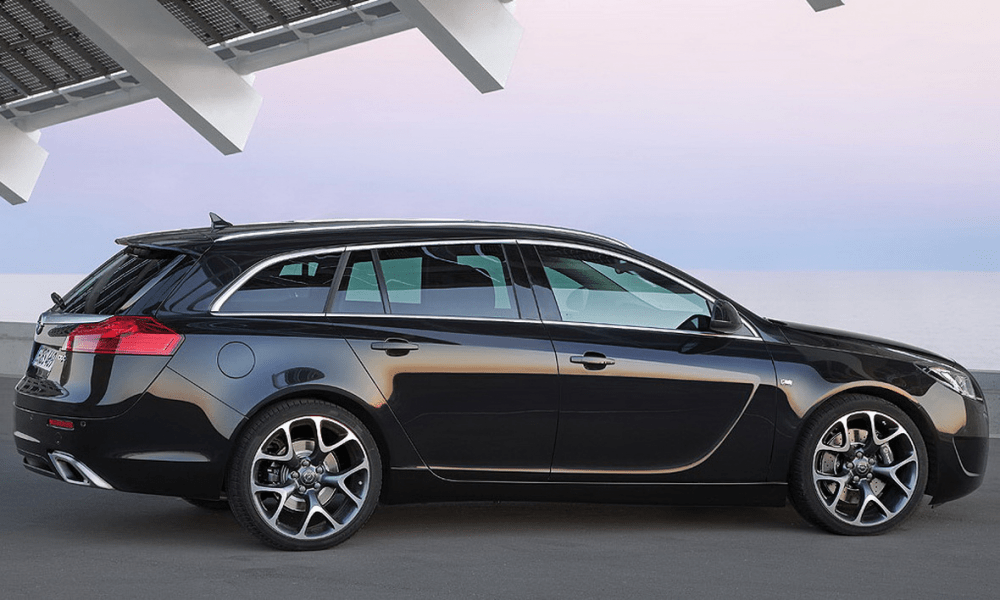
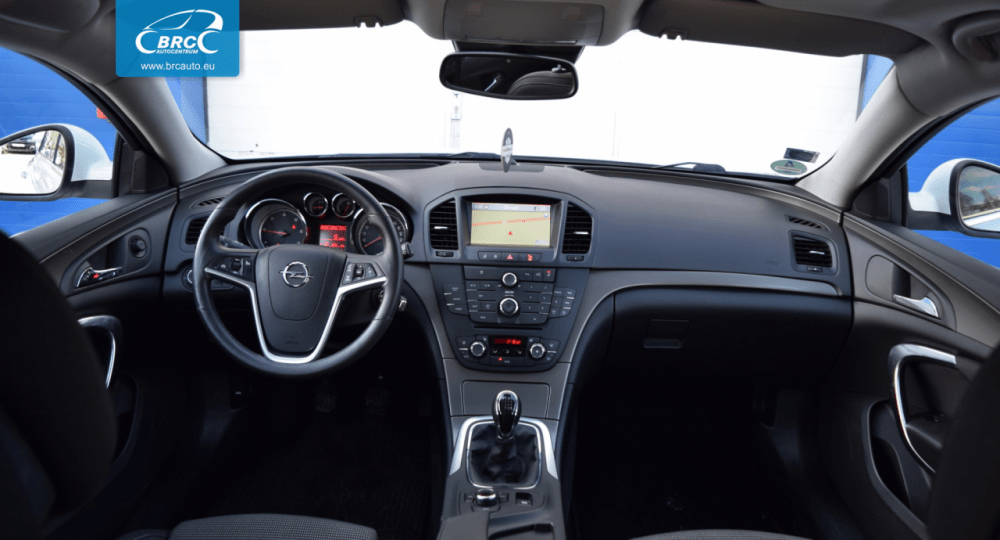


 2 points
 -
Chevrolet has spilled a bit more information on the upcoming 2019 Silverado's powertrain lineup. The big story is a new turbocharged 2.7L four-cylinder becoming the base engine for the volume LT and new RST trims. We'll give you a moment to work through the shock that you're most likely experiencing. The 2.7 is rated at 310 horsepower and 348 pound-feet of torque. The torque figure is impressive when you consider that the 4.3L V6 (now relegated to the W/T, Custom, and Custom Trail Boss trims) produces 22 percent less torque. 0-60 mph is said to take under seven seconds. This engine can also run on just two cylinders. No word on fuel economy, but we wouldn't be surprised if this engine is close to the top in terms of the Silverado's powertrain lineup. The complete list of powertrain options available on the 2019 Chevrolet Silverado 4.3L V6, 6-Speed Automatic: 285 horsepower and 305 pound-feet of torque Turbocharged 2.7L 4-Cylinder, 8-Speed Automatic: 310 horsepower and 348 pound-feet of torque 5.3L V8, 6- or 8-Speed Automatic: 355 horsepower and 383 pound-feet of torque 3.0L Turbodiesel I-6, 10-Speed Automatic: TBD 6.2L V8, 10-Speed Automatic: 420 horsepower and 460 pound-feet of torque “A major focus of the next-generation Silverado is expanding the range of choices. With all-new engines and a broader model range, there’s a Silverado for everyone, whether you’re buying your first pickup or your tenth,” said Tim Asoklis, chief engineer for the Silverado 1500. Source: Chevrolet A SILVERADO — AND AN ENGINE — FOR EVERY NEED The all-new 2019 Silverado 1500 offers six engine and transmission combinations, including an all-new 2.7L Turbo, and V-8 engines with industry-first Dynamic Fuel Management offering 17 different modes of cylinder deactivation DETROIT — With eight trims paired with six engine/transmission combinations, even more customers will find a 2019 Silverado 1500 perfectly tailored to their needs for performance, efficiency, technology and value. “A major focus of the next-generation Silverado is expanding the range of choices,” said Tim Asoklis, chief engineer for the Silverado 1500. “With all-new engines and a broader model range, there’s a Silverado for everyone, whether you’re buying your first pickup or your tenth.” The all-new 2019 Silverado 1500 propulsion lineup includes: Over half of the models will be equipped with the most advanced V-8s in the brand’s history: updated versions of Chevrolet’s proven 5.3L and 6.2L engines equipped with industry-first Dynamic Fuel Management featuring 17 different modes of cylinder deactivation. An all-new, advanced 2.7L Turbo engine that replaces the 4.3L V-6 as the standard engine on the high-volume Silverado LT and new Silverado RST, expected to offer 22 percent more torque, greater fuel efficiency and a stronger power-to-weight ratio than the current model. Proven 4.3L V-6 and 5.3L V-8 engines deliver full-size truck capability and performance for the most affordable trucks in the Silverado lineup. An all-new, Duramax 3.0L inline-six turbo diesel will be available in early 2019. A Silverado — and an engine — for every need Each engine/transmission combination is matched with exterior design and interior features to create distinct personalities for each Silverado trim, based on three broad customer profiles: High Value, High Volume and High Feature. High Value — For customers seeking full-size truck capability and the highest level of affordability, the Work Truck (WT), Custom and Custom Trail Boss trims offer two proven engine and transmission combinations: Standard: 4.3L V-6 with Active Fuel Management and a six-speed automatic transmission (SAE-certified at 285 hp/305 lb-ft). Available: 5.3L V-8 with Active Fuel Management and a six-speed automatic transmission (SAE-certified at 355 hp/383 lb-ft). High Volume — For customers shopping in the heart of the truck market, the LT, RST and LT Trail Boss trims balance technology, efficiency and performance: Standard for LT and RST: All-new 2.7L Turbo with Active Fuel Management and stop/start technology paired with an eight-speed automatic transmission (SAE-certified at 310 hp/348 lb-ft). Standard on LT Trail Boss and available on LT and RST: An updated 5.3L V-8 with Dynamic Fuel Management and stop/start technology with an eight-speed automatic transmission (SAE certified at 355 hp/383 lb-ft). Available on LT and RST: The all-new Duramax 3.0L Turbo-Diesel with stop/start technology paired with a 10-speed automatic transmission will be available in early 2019. High Feature — For customers shopping for a premium truck, the LTZ and High Country trims offer the highest levels of performance and technology, including: Standard: Updated 5.3L V-8 with Dynamic Fuel Management and stop/start technology paired with an eight-speed automatic transmission (SAE certified at 355 hp/383 lb-ft). Available: Updated 6.2L V-8 with Dynamic Fuel Management and stop/start technology paired with a 10-speed automatic transmission (SAE certified at 420 hp/460 lb-ft). Available: The all-new Duramax 3.0L inline-six Turbo-Diesel with stop/start technology paired with a 10-speed automatic transmission will be available in early 2019. Improved Driving Experience The performance of each engine/transmission combination benefits from a truck that is lighter and more aerodynamic than the previous model. “With less weight and less wind resistance, we improved the driving dynamics without sacrificing fuel efficiency,” said Asoklis. “The next-gen Silverado is a bigger truck, but the chassis feels more responsive and acceleration is more pronounced. I would argue it’s the best-driving truck we have ever built.” The 2019 Silverado is larger than before, including a wheelbase that is up to 3.9 inches (100mm) longer, yet overall length is only 1.6 inches (41mm) longer, enabling both more cargo volume and more interior room for all cab lengths. Remarkably, it’s also lighter, weighing up to 450 pounds (204 kg) less than the current Silverado when comparing crew cab V-8 models, due to extensive use of mixed materials and advanced manufacturing. To improve the aerodynamic efficiency of the next-gen Silverado, the front grille features functional air curtains, similar to those introduced on the sixth-generation Camaro, that reduce wind drag by routing air around the front wheel wells. The powerful side profile also enhances aerodynamics, with an integrated spoiler at the rear edge of the cab that directs air onto the contoured tailgate, reducing wind drag from the bed. Most models also feature active aero shutters integrated in the front grille that close to reduce wind drag and open to provide improved engine cooling when needed. Changes like these result in a 7 percent increase in total aerodynamic efficiency. From the family of the Most Dependable, Longest Lasting full-size pickups on the road* For the new Silverado, Chevy set the lofty goal of improving on the legacy of the Most Dependable, Longest Lasting full-size pickups on the road. To do so, the next-gen truck will be subjected to more than 475,000 validation tests and accumulate a staggering seven million miles of real-world testing before the first 2019 Silverado 1500 is delivered to customers. That includes a battery of tests for the Silverado engines and transmissions that will simulate a range of customer needs: Each type of engine was first subjected to a “torture test” in a dynamometer test cell, running for months nonstop to simulate a lifetime of maximum hot and cold cycles. Each Silverado variant is certified to the SAE J2807 standard for towing and payload capacity. Certification requires a full battery of grueling tests such as the Davis Dam test, in which the truck must carry its maximum gross combined vehicle weight up a 7 percent grade in 110-degrees F (43 degrees C) heat, with no reduction in performance, including air-conditioning. Chevrolet engineers prove every Silverado engine and transmission design for lubrication capability on tilt stands, originally developed for Corvette, that tilt at an angle of up to 53 degrees and can simulate angles at a rate of up to 40 degrees a second — the equivalent of up to 1.4g. Production plans Silverado production commences with crew-cab V-8 models starting in the third quarter. In the fourth quarter, production will expand to include regular- and double-cab models, as well as V-6 and 2.7L Turbo engines. The new Duramax 3.0L inline-six turbo diesel will be available in early 2019. EPA fuel economy estimates and towing/payload capacities are not yet available, and will be announced closer to launch. 2019 CHEVROLET SILVERADO PROPULSION LINEUP 4.3L V-6 w/AFM (6-spd.) 2.7L I-4 Turbo w/AFM (8-spd.) 5.3L V-8 w/AFM (6-spd.) 5.3L V-8 w/DFM (8-spd.) 3.0L I-6 Turbo-Diesel (10-spd.) 6.2L V-8 w/DFM (10-spd.) Work Truck (WT) Std. -- Avail. -- -- -- Custom Std. -- Avail. -- -- -- Custom Trail Boss Std. -- Avail. -- -- -- LT -- Std. -- Avail. Avail. -- RST -- Std. -- Avail. Avail. -- LT Trail Boss -- -- -- Std. -- -- LTZ -- -- -- Std. Avail. Avail. High Country -- -- -- Std. Avail. Avail. * Dependability based on longevity: 1987-July 2017 full-size pickup registrations. ALL-NEW 2.7L TURBO ENHANCES VERSATILITY OF THE 2019 SILVERADO Technological powerhouse delivers performance and efficiency DETROIT — The all-new 2019 Chevrolet Silverado 1500 will be offered with an all-new, technologically advanced 2.7L Turbo that expands the range of available engines and builds upon additional choices to help customers find the Silverado that perfectly suits their needs. Standard on LT and RST trims, the new engine delivers an SAE-certified 310 horsepower and 348 lb-ft of torque, for 22 percent more torque than the 4.3L V-6 it replaces. Developed specifically for truck applications, the new 2.7L Turbo inline four-cylinder engine delivers peak torque from 1,500 to 4,000 rpm. The next-gen Silverado with the 2.7L Turbo delivers 0-60 mph performance in less than seven seconds and weighs 380 pounds less than the current Silverado with the 4.3L V-6. Compared with competitive full-size trucks, the Silverado 2.7L Turbo is expected to deliver comparable payload capability with greater torque than the 3.3L V-6 in the Ford F-150 XLT and the 3.6L V-6 in the Ram 1500 Big Horn. “The new 2.7L Turbo is a technological marvel, with our most advanced valvetrain,” said Tom Sutter, chief engineer for the 2.7L Turbo. “With a broad, flat torque curve and quick throttle response, it punches above its weight, delivering surprising performance and efficiency.” The cornerstone of the 2.7L Turbo is an innovative double overhead cam valvetrain that enables: Chevrolet’s first use of Active Fuel Management (cylinder deactivation) on a four-cylinder engine. High- and low-lift valve profiles. Continuously variable valve timing. Additional engine technologies supporting the engine’s performance and efficiency include: Dual-volute turbocharger housing for improved throttle response and low-speed torque. Chevrolet’s first application of Active Thermal Management, which uses targeted engine heating and cooling to improve engine performance in hot and cold ambient temperatures. An integrated exhaust manifold that is part of the cylinder head assembly and recovers exhaust heat for faster engine and transmission warmup, with quicker turbo response. Stop/start technology that automatically stops the engine in stop-and-go traffic for fuel efficiency. An electric water pump that eliminates the drag of a conventional, engine-driven pump to enhance efficiency. It also enables continual cabin heating even when the engine is disabled by the stop/start feature. Designed as a truck engine The new 2.7L Turbo engine represents a clean-sheet design for Chevrolet and was developed from the outset as a truck engine. To help generate the strong low-end torque customers expect in a truck, it was designed with a long piston stroke of 4.01 inches (102mm), which is the distance the piston travels up and down within the cylinder. The long stroke enables improved combustion and thus a higher compression ratio. Typically, a long stroke can increase the load of the pistons against the cylinder walls, generating more friction. That’s alleviated in the 2.7L Turbo with an offset crankshaft. It is slightly off-center of the cylinders, allowing a more upright position for the connecting rods during their movement. To support the high cylinder pressures that come with turbocharging, the crankshaft and connecting rods are made of forged steel and the pistons are made of a tough aluminum alloy with a cast iron ring groove insert. All elements of the 2.7L Turbo were designed for the demands of turbocharged performance in a truck environment, and the engine was subjected to the same rigorous durability standards as the Silverado’s proven V-8 engines. The 2.7L Turbo features an aluminum block and cylinder head for reduced mass. Unique valvetrain offers more precise control The 2.7L Turbo’s valvetrain is GM’s first to incorporate variable lift, duration and Active Fuel Management to optimize performance and efficiency across the rpm band. It is a key reason the engine’s peak torque is available at only 1,500 rpm. The system’s electro-mechanical variable camshaft effectively allows the engine to operate with three different camshaft profiles, complementing the variable valve timing system to deliver optimized operating modes for different engine speeds and loads: High valve lift for full power. Low valve lift for balance of power and efficiency. Active Fuel Management shuts down two of the cylinders in light load conditions to further conserve fuel. “It’s like having different engines for low- and high-rpm performance,” said Sutter. “The camshaft profile and valve timing is completely different at low and high speeds, for excellent performance across the board.” The camshaft design alters the lift of the intake and exhaust valves. As the engine load changes, electromagnetic actuators allow a movable shaft containing different cam lobes to shift imperceptibly between high-lift and low-lift profiles. Lift is the distance the valve travels from its seat when opened, and duration is the amount of time the valve remains open. Higher lift and longer duration allow more air to flow into the combustion chamber, so the system’s high-lift lobe profile enhances performance at higher rpm, while the low-lift profile optimizes efficiency at low- and mid-range speeds. Dual-volute turbocharger builds torque The 2.7L Turbo engine employs an advanced dual-volute turbocharger that elevates the performance and efficiency advantages of a conventional turbo, with quicker response and enhanced low-rpm torque production. Rather than a single spiral chamber (volute) feeding exhaust gas from the exhaust manifold to drive the turbine on the turbocharger, the dual volute design has a pair of separate chambers with two exhaust gas inlets and two nozzles to drive the turbine. The design allows the exhaust pulses of the engine to be leveraged for faster spool-up and subsequent boost production, particularly at low rpm, where the effect significantly enhances torque output and drivability. It works in unison with the engine’s integrated exhaust manifold/turbocharger housing, which splits the exhaust channels from the cylinder head so the exhaust flows through two separate channels in the turbo housing, based on the engine’s exhaust pulses. When complemented by the precision of the engine’s valvetrain, that separation leverages exhaust scavenging techniques to optimize gas flow, which decreases exhaust gas temperatures, improves turbine efficiency and reduces turbo lag. An electronically controlled wastegate and charge-air cooling system support the turbocharger and enhance its effectiveness. Compared to a conventional wastegate, the electronically controlled version offers more precise management of the engine’s boost pressure for smoother, more consistent performance. With the charge-air cooler, the pressurized, heated air generated by the turbocharger is pumped through a heat exchanger before it enters the engine. That lowers the air charge temperature by about 130 degrees F (74 C), packing the combustion chambers with cooler, denser air that enhances power production. The system achieves more than 80 percent cooling efficiency with less than 2 psi (12 kPa) flow restriction at peak power, contributing to the engine’s available torque production at low rpm. Additional features A variable-pressure oiling system with a continuously variable-displacement vane oil pump enhances efficiency by optimizing oil pressure as a function of engine speed and load. With it, the oil supply is matched to the engine requirements rather than the excessive supply of a conventional, fixed-displacement oil pump. Active Thermal Management helps the engine warm up faster and achieve its optimal engine temperature for performance and efficiency. The system uses a rotary valve system to distribute coolant through the engine in a targeted manner. It sends heat where it’s needed to warm up the engine to reduce friction and heat the cab, or cools when needed for high power operation. An electric water pump — a first for Chevy trucks — supports the Active Thermal Management system and further enhances the engine’s performance and efficiency by eliminating the parasitic drag that comes with a conventional engine-driven water pump. Direct fuel injection is used to optimize efficiency and performance. With direct injection, a higher compression ratio (10.0:1) is possible because of a cooling effect as the injected fuel vaporizes in the combustion chamber, reducing the charge temperature and improving resistance to spark knock. Direct injection also enables gas scavenging from the combustion chamber to the turbo for fast response. Dual overhead camshafts contribute to the 2.7L Turbo’s smoothness and high output, with dual independent continuously variable valve timing working with the valvetrain to deliver optimal performance and efficiency. The dual independent system, which allows the intake and exhaust valves to be phased at different rates, promotes linear delivery of torque with near-peak levels over a broad rpm range, and high specific output (horsepower per liter of displacement) without sacrificing overall engine response or driveability. An integrated exhaust manifold on the cylinder head assembly promotes faster engine warmup and quicker turbo response. Oil jets located in the block are employed for performance and temperature control. They target the underside of the pistons and the surrounding cylinder walls with an extra layer of cooling, friction-reducing oil. The jets reduce piston temperature, allowing the engine to produce more power and enhance long-term durability. Stop/start enhances fuel economy in city driving. The driver-selectable system shuts off the engine at stoplights and certain other stop-and-go situations, saving fuel. The engine automatically restarts when the driver takes their foot off the brake. The all-new 2.7L Turbo is matched with a Hydra-Matic eight-speed automatic transmission featuring enhancements designed to improve shift quality, as well as a new centrifugal pendulum absorber torque converter that reduces vibrations to improve smoothness. The all-new 2.7L Turbo will be built at the General Motors Spring Hill facility in Tennessee. The 2019 Silverado goes on sale this fall. EPA fuel economy estimates and towing/payload capacities are not yet available and will be announced closer to launch. View full article1 point
-
NWO/Globalist want to control the masses by limiting our mobility, thus shoving all these hybrids and EV's down our throats. Diesel cars were becoming Mainstream as it's only slightly more expensive than regular and you get more range from it, underlined since people suffer Range Anxiety, no matter what the "Experts" will tell ya. Diesel was a monkey wrench in the plans since it was a viable alternative that didn't rely on every trick in the book to get good economy (Strip the average hybrid of the cvt's, aerodynamic under panels and body parts and wheels and watch the mileage take a hit, whereas Diesel can be driven with standard and can be swapped into anything that can handle the extra heft basically), thus "3 students" at some University happened to find the cheat devices and supposedly it's releasing more emissions than claimed and now every libtarded government is going after diesel like it actually killed people, when no one remembers when Harley did something similar (They're domestic, thus they paid a fine and it was swept under the rug) I bring this up since really, it was blown out of proportion and should of been dealt with without such scandal. You can talk about alternative fuel's all you want, they're not here yet, and those electric cars are powered by coal, thus if you bought it for environmental reasons, then the jokes on you. No enthusiast wants to see their favorite sports cars bastardized by Hybridization and EV's, since unlike diesels, you're relegated to one transmission and when things inevitably go wrong, it's gonna be more of a pain to fix once the warranty goes out the window, plus again, take away the special panels and aero and the advantage disappears (Also, if you actually drive it like a normal person instead of Granny), while Diesel can be driven normally and you still get amazing mpg, and don't even get me started on the EV part, since despite the claims of "Superchargers" and "Extended batteries" and whatnot, you know unlike a modern ICE or Diesel, you so much as have the AC on during a hot summer day or the heat on during the middle of winter and actually drive it, your range is taking a hit! I'm still not sure where people lean on this forum, and I could very well be reviled by some and loved by others for this, but hell with it, just my 2 cents Enjoy1 point
-
TDI's are amazing, period. Shame the globalists/nwo are pushing this ev crap on the masses and exacerbated the situation to the point that they're convinced it's toxic.1 point
-
1 pointI got a simple solution: We give California back to Mexico and proceed with what we were gonna do1 point
-
To add to it, this is the same europe that's basically bent over and taking it from the "Migrants" Like I'm taking cucks who won't do whats necessary to defend the masses seriously1 point
-
This car fanatic doesn't want any of the NWO Agenda 21 crap pushed on me, and instead sticks with Gas and possibly diesel1 point
-
1 pointSeeing those make me glad there's a used car market, always Foxbody's and F-Body's1 point
-
That's f@#king retarded if you ask me Enough with the Hybrid this and EV that, leave our performance cars alone already, dammit1 point
-
This large four is long stroke and it said designed for truck use, so even if it seemed like it were suitable for a camaro I'm not sure it would be a great fit due to that long stroke design. Piston speeds would be more than a big bore cylinder setup. But now for use in a truck this could be exactly the game changer. I've had thoughts the last few months of getting a pickup when my Malibu lease is done and to be honest the specs of this engine and if it got 20-22 mpg on a daily basis it would be perfect for what I would use a pickup for. Daily commuting and to move up to a good winter state 4wd vehicle. I'm not wed to any of GM's pushrod v8's. I've admired fords move to turbo 6's in trucks. Biggest question for me is if this big cylinder long stroke 4 is smooth enough. If the new Tahoe down the road has this engine, even better.1 point
-
I think that was the JDM spec, US were a bit less power. I drove an Integra Type R once and rode in an S2000 once, those were fun little cars.. https://en.wikipedia.org/wiki/Honda_K_engine Somehow I suspect in a 5000lb truck w/ an automatic a turbo 4 won't have to rev quite that high for power... So I wonder if this is of the same engine family as the 2.0T that's used in so many GMs, or something new for truck applications?1 point
-
Wow..a 2.7..thats a big 4. More power and torque than Chevy V8s had 30 years ago.1 point
-
No Assembly line is perfect, but what is there is a good starting point. Musk Arrogance has him go from an overkill of manual hand building to an attempt at full automation and no humans and Billions wasted. Even now he admits they went from using too many people to to many robots and not starting at a proper Alpha and Beta test of the assembly line. This is His Error due to Ignorance and Arrogance. He believed even when people who worked for him said it would not work that he could take a software building approach and apply it to auto building. You cannot just make software updates on the fly in building a physical device. If he had listened to those around him about the assembly line, Tesla 3 would probably already be at 5000 builds a week. Right now they still have a hand built multiple module body that is taking way more time than it should to be built before it gets to the assembly line. Dies, testing and mass production are very solid and good. This is where Musk should have started by using what the existing auto industry had already proven and built. Then take it to the next level of automation and superior building. If you understood the history of Deming and Drucker and how they brought together one of the best JIT or known as Just in Time manufacturing systems at high quality assembly, you would understand why this is a FAILURE of Musks and why just not me but many others also point this out that he has cost billions more than needed if he had taking his technology of the EV auto and started assembling them on what is a proven production line process. Then take it to the next level. Yes I believe one day we will have a fully automated assembly process that could allow you to plug in the details and have a car out hours later at the other end of the assembly line. But right now we are not there.1 point
-
Very intriguing. I'm impressed to see somebody finally had the balls to drop a turbo 4 in a half ton.1 point
-
His arrogance and relentless drive is what made Tesla a company that got all main manufacturers take a notice and try to catch up to Tesla in the EV field. He has pushed way more boundaries with Tesla and SpaceX than anybody else on the planet.1 point
-
1 point1 pointThe Model X is selling like gangbusters around here now. I would never want falcon doors. I've seen one model 3 on the road. It's smaller size is noticeable and also it has far less presence than the S. Looks more like an average small - midsize car that's a combination of 90's design and space age design.1 point1 pointNot too much, moved out recently, submitted a comic to be published, still got my two cars and tuned em a bit, almost done with a book I've been working on, the usual Glad you're f@#king awesome Casa, like I said, been too long and missed the old gang, only now we're all older and not as annoying xD1 pointPoor auto industry. Scott Pruitt refuses to take a simpler approach to this: get Congress to repeal CAFE standards in the first place. That would be ideal. So Pruitt pursues a rollback to 37 MPG eight years from now instead of the 46.8 MPG as proposed by the last administration. He might have gotten away with it if he left CA authority alone and focused on the rollback instead. His plan will probably fail because he got too greedy and wants to abolish higher state standards. Choose your battles wisely and you might actually win.1 pointSounds promising, I hope it pans out. This could save thousands of automotive jobs. People are comfortable with diesel. Go over to the VW page at FB and you will see plenty of comments about people missing their TDi.1 pointThis ban should not stand. The diesel engine has been around just about as long as electric, yet it remains far easier to own for the vast majority of people, worldwide.1 pointI just realized something yuge and even more precarious for the industry we all love. The electric car mentality is the very same as the cell phone mentality. Now let me ask you, good citizens, is this really what you want? To Apple-ize cars? Are we going to camp out and wait for the release of v.2, v.3 of a CAR? The implications blow my tiny little mind.1 pointFrom a different perspective, electric vehicles, per the article, can be seen as throwaways. First off they're leased, then dumped into a market where they have no value. From a financial point of view, they are a much worse investment than conventional vehicles, which can effortlessly be kept in service by subsequent owners, this adds intrinsic value that is impossible to deny.1 pointTotally support this, the automakers should be held accountable and feel the wrath of the courts for putting profits over the health of humans. Day of Diesel for everyday basic auto use is over, they just need to accept this and move onto regular gas for now as they work to get out their Hybrids and EVs.-1 pointsEnvironmentalists should be suing governments for pushing diesel over all alternatives. VW is NOT innocent, but the EU also needs to be held accountable.-1 pointsHard time believing a company that created the defeat devices and then now says that no new hardware is needed, just a tweak on existing hardware to meet the 2020 emissions standards. Yea, PASS on Bosch and diesel.-1 pointsThis leaderboard is set to New York/GMT-04:00


Important Information
We have placed cookies on your device to help make this website better. You can adjust your cookie settings, otherwise we'll assume you're okay to continue.